Portrait of Berthe Weill (c 1920) by Émilie Charmy (Credit: Galerie Bernard Bouche, Paris). [BBC caption and illustration]
The plasticity of the modeled flesh; the acuity of the subject’s skeptical gaze distorted by skillfully hinted pince-nez spectacles; the wristwatch: the rich blacks of garb against a brushy olive background: these excite notice in the expressive portrait of Berthe Weill by Émilie Charmy.
The title of the article is “How female Fauvists were some of history’s most audacious painters,” though half its illustrations are by men. Indeed, its first reference is a link to Matisse’s “Woman with a Hat” (1905), a hot mess of a painting.
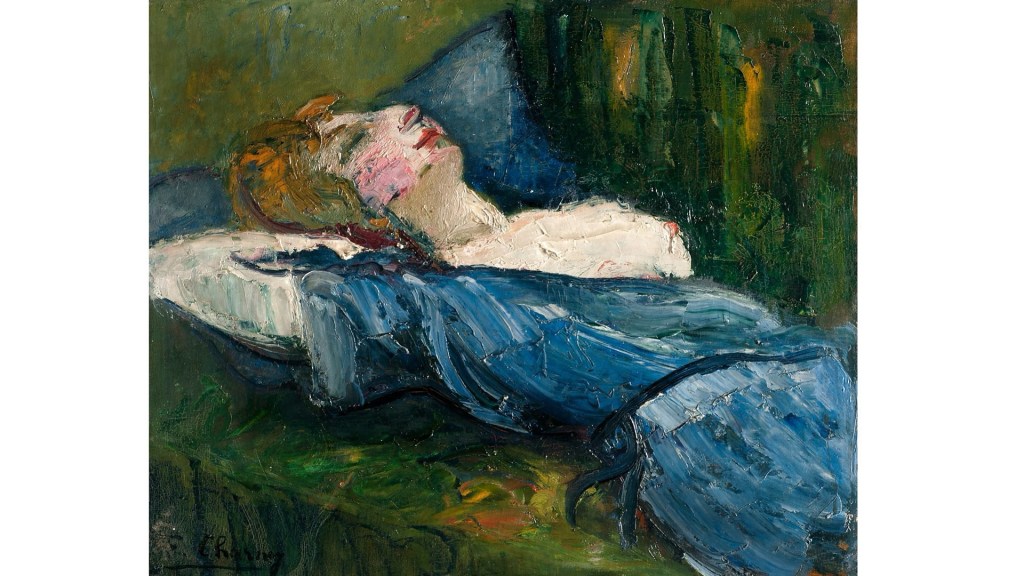
Here is the banner painting by Émilie Charmy featured in the article.
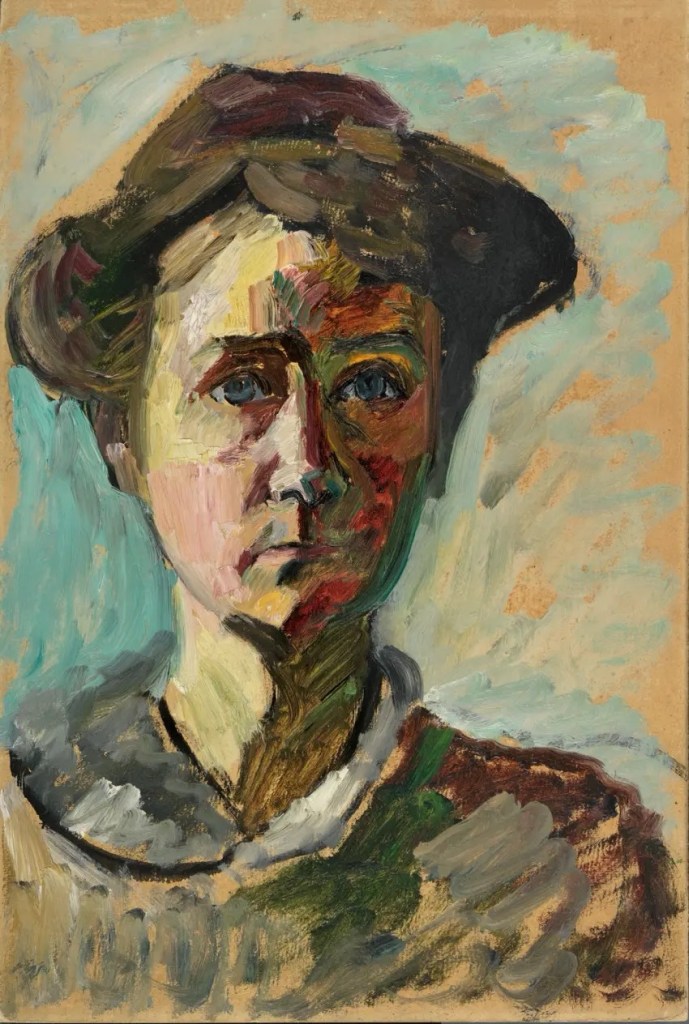
Self-portrait by Émilie Charmy (Credit: Galerie Bernard Bouche, Paris /Photo Credit: Studio GIBERT). [BBC caption and illustration]
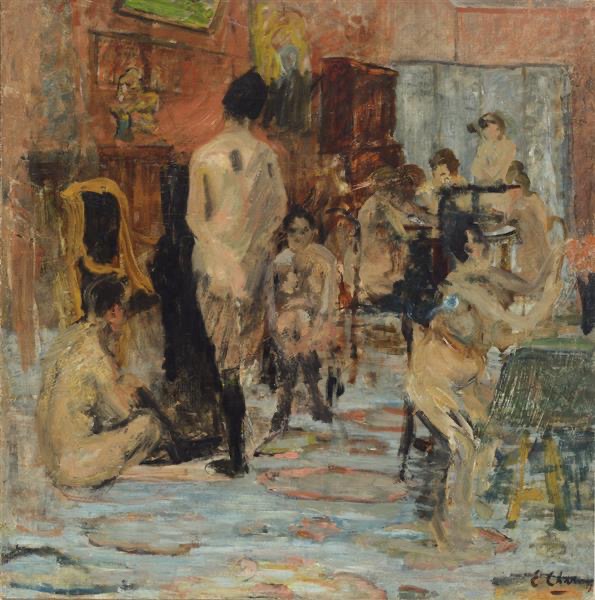
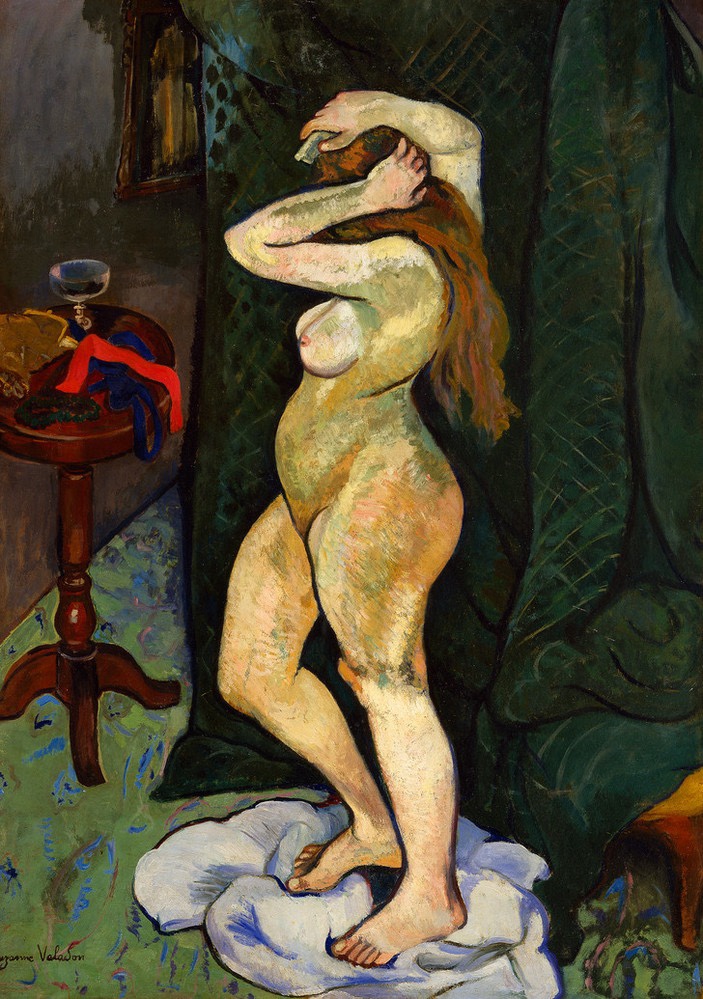
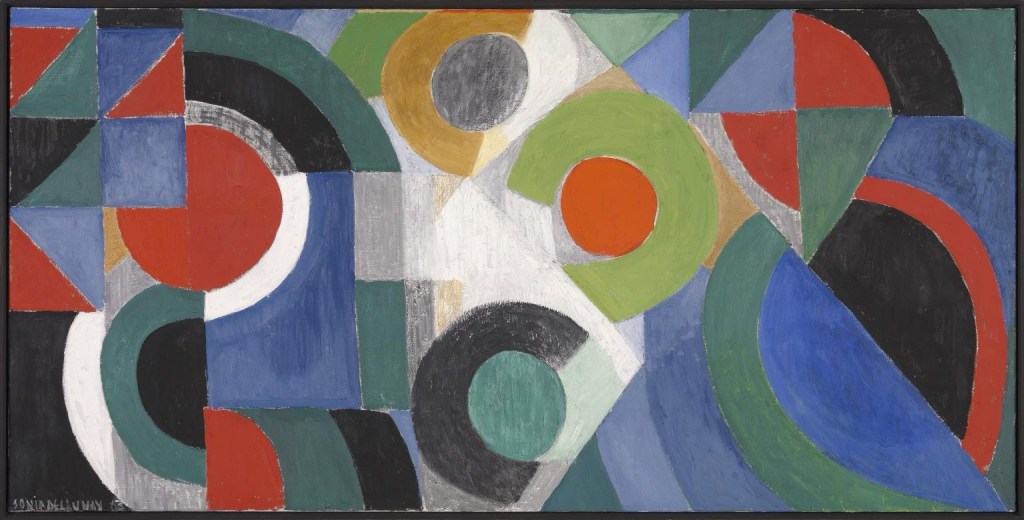
Here are the paintings of other Fauves linked to in the article:
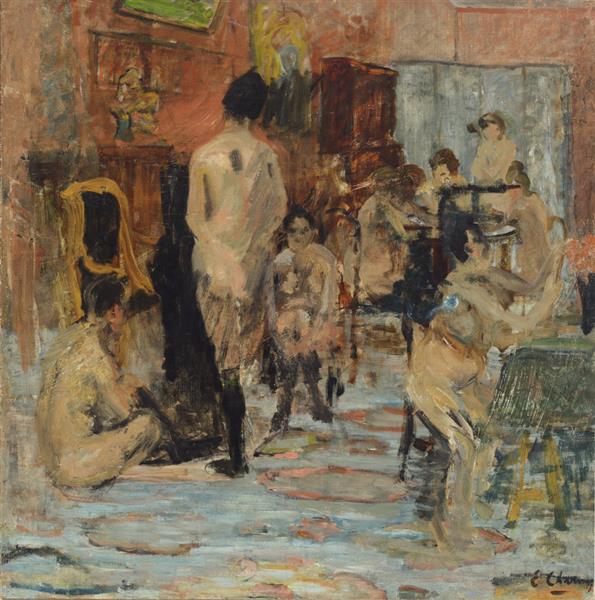
Émilie Charmy, “The Dressing Room,” 1902. Wikiart.orgSuzanne Valadon (mother of Maurice Utrillo), “Nude Arranging Her Hair.” Nmwa.orgSonia Delaunay, “Triptych,” 1963. Tate.org.ukGabrielle Münter, “Self-Portrait,” c. 1908. Royalacademy.org.uk. “My pictures are all moments of life,” Münter once remarked. “I mean instantaneous visual experiences, generally noted very rapidly and spontaneously. When I begin to paint, it’s like leaping suddenly into deep waters, and I never know beforehand whether I will be able to swim.”Marianne Werefkin, “Twins,” 1909. Royalacademy.org.uk
(Deborah Nicholls-Lee, “How female Fauvists were some of history’s most audacious painters,” bbc.com, 9-12-23)
I live in Texas and devote much of my time to easel painting on an amateur basis. I stream a lot of music, mostly jazz, throughout the day. I like to read and memorize poetry.




 EthicalDative

So interesting! Thanks for the post Jim.
LikeLiked by 2 people
Thank you, Sue!
LikeLike
I like them all, but Münter and Valadon really grab me.
LikeLiked by 1 person
I’m glad you see something you like, OA. Thanks for looking!
LikeLiked by 1 person
I like the symmetry in the Marianne Werefkin “Twins.” Very interesting post.
LikeLiked by 1 person
Well spotted. You make me more aware of that aspect of the Werefkin. Thanks for looking and commenting!
LikeLiked by 1 person