
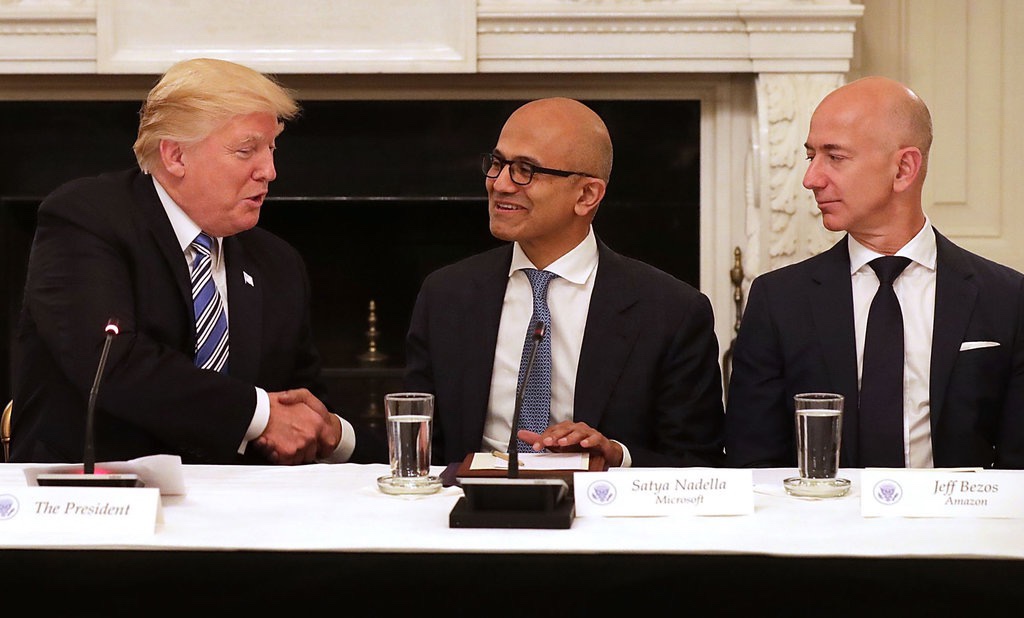
Acronyms lend dignity and swagger to the entities or concepts they miniaturize. They attach like decals or tattoos to virtually every American institution, whether it be political, medical, corporate, military, legal, educationist or digital. It’s no accident that names are often created with a view to the acronyms they form, which makes them tendentious, forged shortcuts.
Take, for example, the ten-billion-dollar, ten-year, cloud computing project for the Defense Department called the Joint Enterprise Defense Infrastructure project: JEDI.
I’ve tried to parse the name semantically with little certainty. “Joint” means “combined.” So the JEDI project is a project for:
(a) infrastructure whose purpose is to defend combined enterprises?
(b) infrastructure built by combined enterprises whose purpose is defense?
(c) infrastructure created for the benefit of both “enterprise” and the Defense Department?
(d) none of the above?
No matter. What’s important is that it spells JEDI, which has a sought-after vibe (unlike, say, SNAFU and CHAOS).
(c) 2020 JMN




 EthicalDative
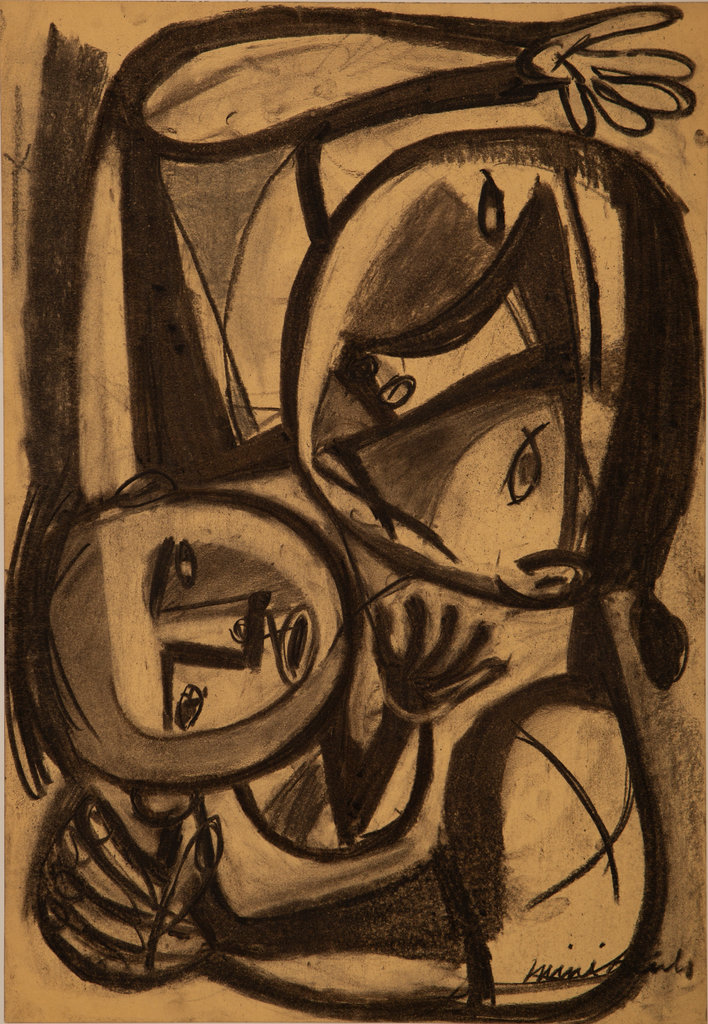
Only Femicide
“The woman, Ingrid Escamilla, 25, was stabbed, skinned and disemboweled…”
“Look, I don’t want the topic to be only femicide… This issue has been manipulated a lot in the media… I ask feminists, with all due respect, not to paint the doors, the walls. We are working so that there are no femicides… That is why the participation of citizens is important. If there hadn’t been a Revolution, we wouldn’t have the 1917 Constitution.” (President Andrés Manuel López Obrador)
(Kirk Semple and Paulina Villegas, “The Grisly Deaths of a Woman and a Girl Shock Mexico and Test Its President,” NYTimes, 2-19-20)
(c) 2020 JMN