
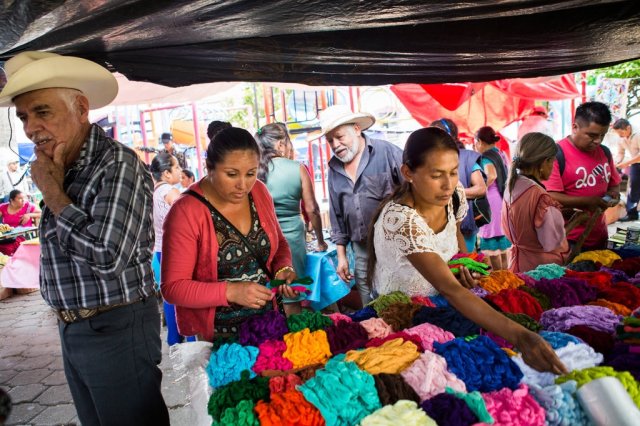
Shopping for the brightly colored thread used in the style of embroidery done in villages around Tenango de Doria, a town in the Mexican state of Hidalgo. Credit…Celia Talbot Tobin for The New York Times.
The tenangos, as the embroidered pieces are called, have evolved into richly detailed works reaching a worldwide market.
Tenango embroidery is made by the indigenous Otomí community in the Mexican state of Hidalgo, whose main town is Tenango de Doria. The people call themselves hñähñu, and speak Otomí, an indigenous tonal language, along with Spanish.
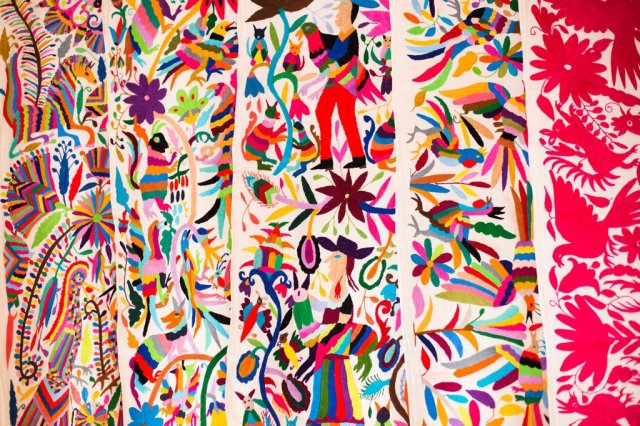
Textiles in the distinctive style of embroidery done in San Nicolás, Mexico. Credit…Celia Talbot Tobin for The New York Times.
The vivid tenango embroidery designs are inspired by local vegetation and wildlife, and perhaps by nearby cave paintings and shamanistic healing ceremonies.
International brands such as Nestlé, Benetton, and Carolina Herrera have used tenango designs, sometimes without crediting their sources.
(Elisabeth Malkin, “This Mexican Village’s Designs Are Admired (and Appropriated) Globally,” NYTimes, 11-13-19)
(c) 2019 JMN











 EthicalDative
Benjamin Creme
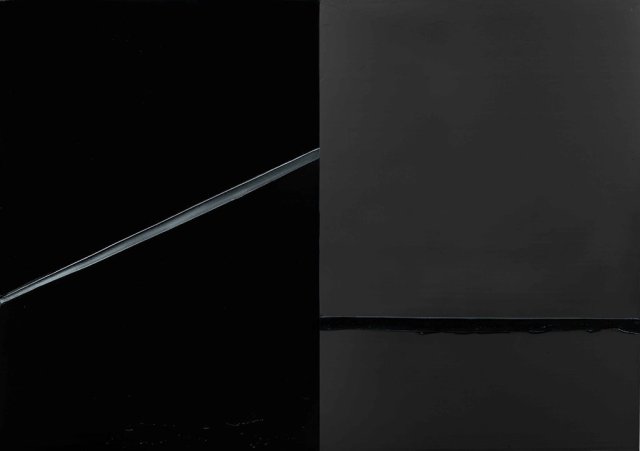
The Los Angeles Police Department recently recovered more than 1,300 pieces of Benjamin Creme’s stolen artwork. Credit…Michael Flaum, via Associated Press.
This article introduced me to Scottish artist Benjamin Creme.
His biography and work can be seen here.
(Jaclyn Peiser, “Stolen Without a Trace, Artwork Turns Up 7 Years Later in Los Angeles,” NYTimes, 11-7-19)
(c) 2019 JMN