“I realised that the art of the 20th century is the fruit of personal revelation,” Lynch wrote, “while ancient art is the product of mystery initiation.”
I’ve no idea what Bill Lynch (1960 – 2013) meant by his incantation about the meaning of art, using words ending in -ation. The journalist isn’t helpful in contextualizing the comment, writing only that it’s “taken from a letter to a friend in the 1990s.” She adds, “It is surprisingly hard to discover very much about him… He died of cancer aged 53, but his inner life appears private, unknown even to the curator of this show.”
Born in Albuquerque, Lynch studied art at Cooper Union in New York, lived in California for a time, and ended up in Raleigh, North Carolina.
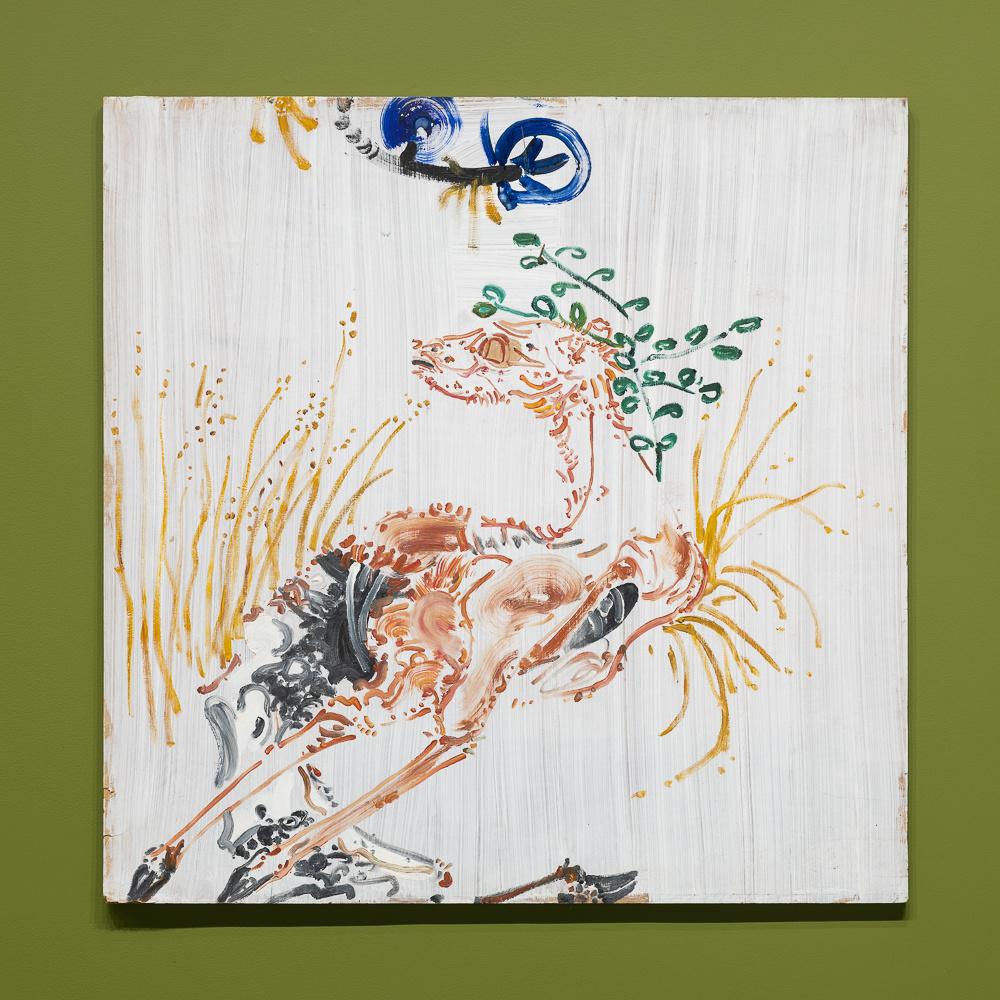
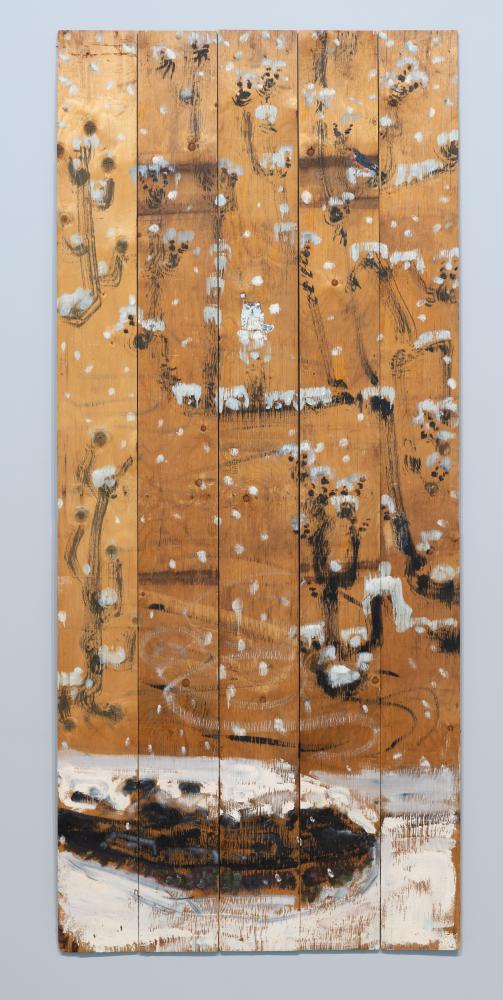
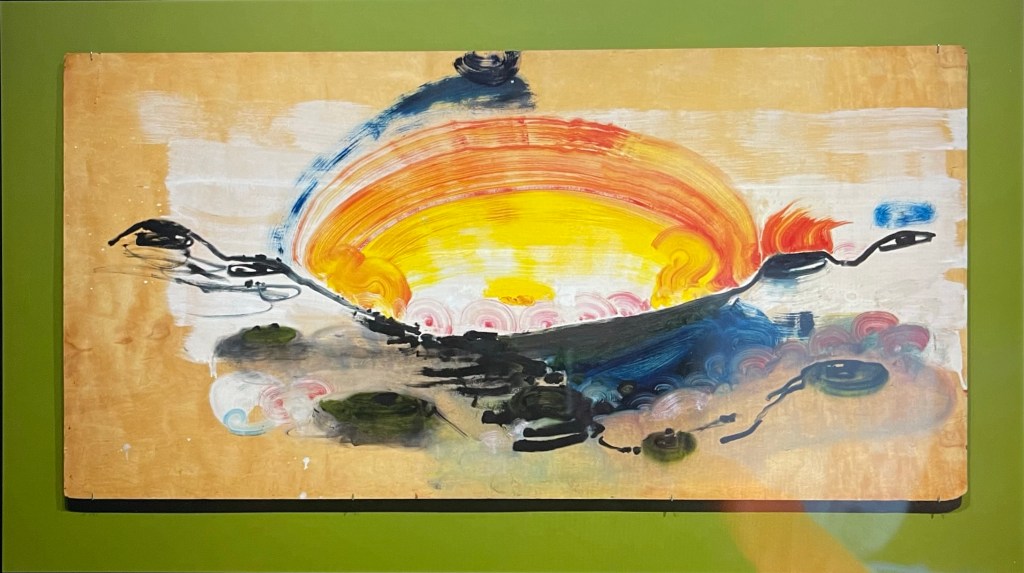
Old plywood, used planks, the top of a table pocked with woodworm: he found a way of painting on this hard and resistant substrate as if it were as light as parchment. And his brushwork, moreover, is rightly described as calligraphic. Owls, hawks, tangled blossoms, the pale discs of honesty seeds hanging like silver moons from skeletal black boughs: his art has all the delicacy of nature, combined with a swirling, stuttering, sometimes wayward abruptness.

(Laura Cumming, “Bill Lynch: The Exile of Dionysus review — the greatest American artist you’ve never heard of?” theguardian.com, 8-21-22)
(c) 2022 JMN — EthicalDative. All rights reserved
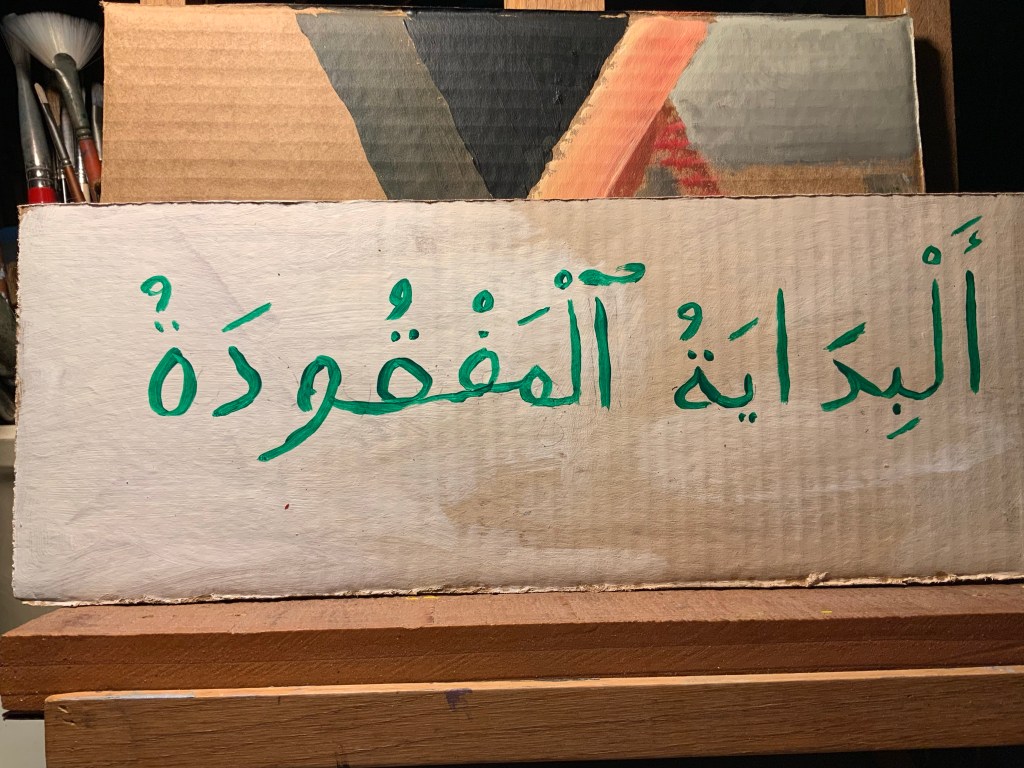
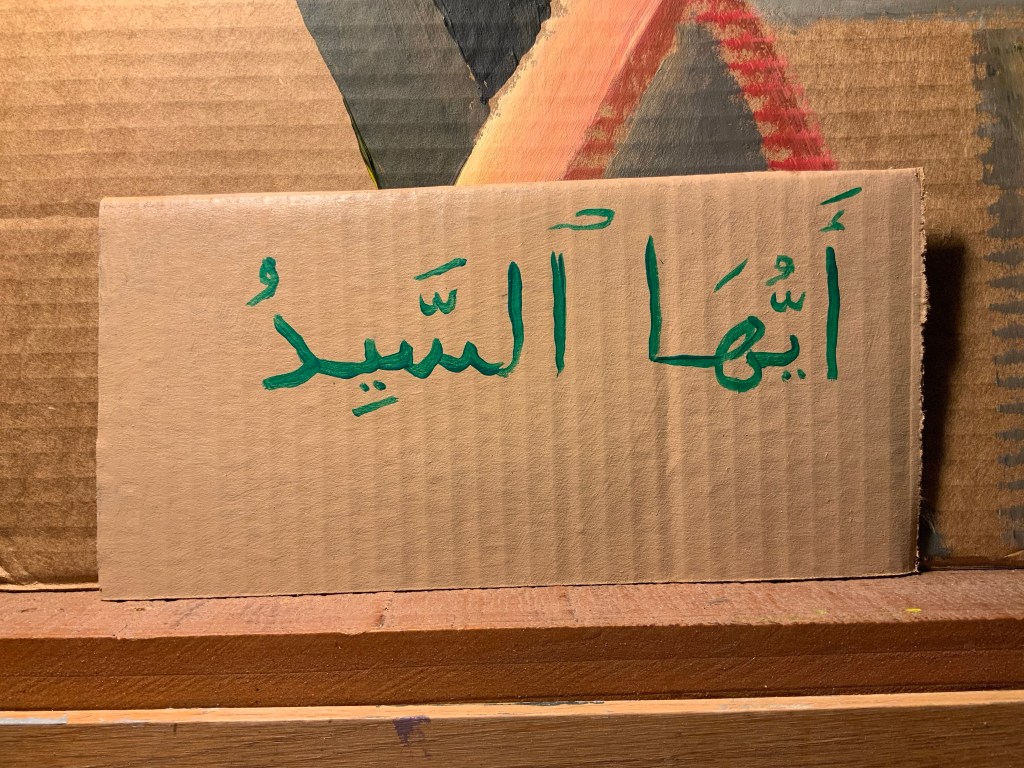
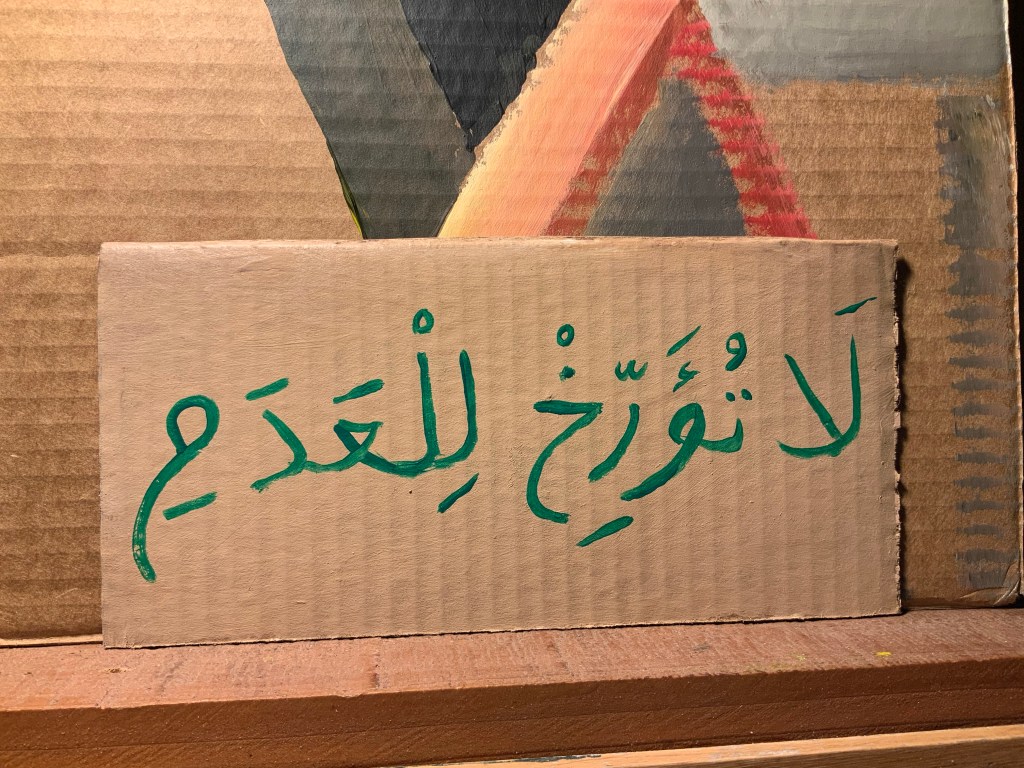
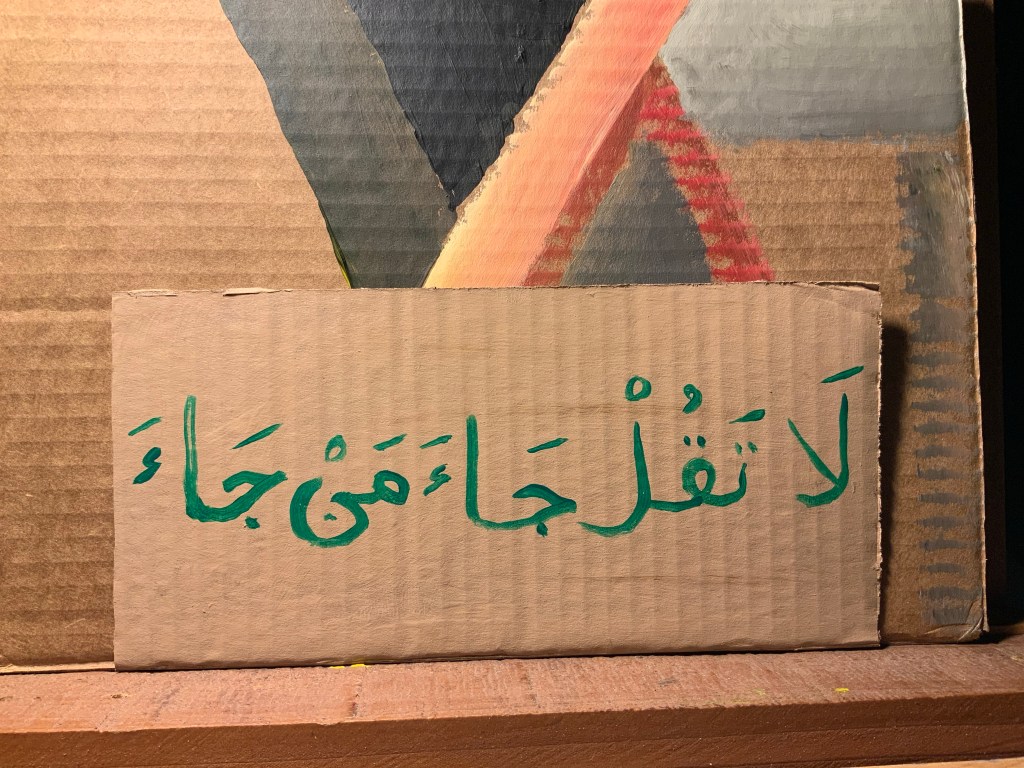






Once Was Lost, But Now Is Found
[Petulant style note: Equally flabbergasting is British journalism’s insufferable convention of not setting off titles with quotes or italics. What two researchers rediscovered was not the coastal city located in New Jersey, but a painting named “Atlantic City” by the artist Helen Saunders.]
Icily repellant, she’s fruit of the Tin Man’s dalliance with a galvanized hussy bucket. “Praxitella” of the ruby lips, faceted contours and catatonic gaze is a morose, Depression-era robot stitched in a tar paper frock with elephantine, copper-banded bloomers. She has the charm of a mud fence. It would take a hydraulic winch to hoist the lump of reductive figuration from her pharaonic chair.
Wyndham Lewis’s portrait of film critic Iris Barry is discovered to have been painted on top of a work called “Atlantic City” by fellow Vorticist Helen Saunders. He may have been irritated with Saunders.
(Harriet Sherwood, “‘Fit of pique’: lost vorticist masterpiece found under portrait by contemporary,” theguardian.com, 8-21-22)
(c) 2022 JMN — EthicalDative. All rights reserved