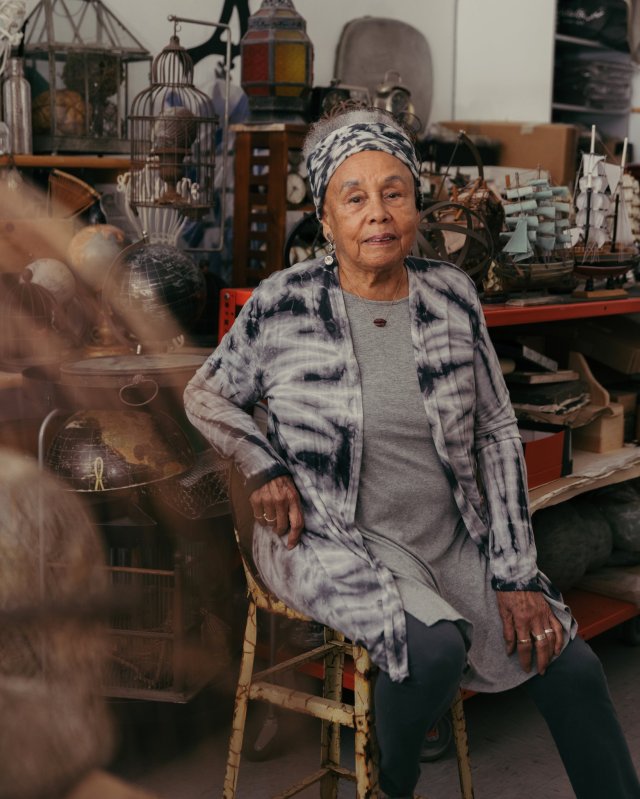
Ms. Saar in her studio in Laurel Canyon. Credit Erik Carter for The New York Times.
The work of ninety-three-year-old artist Betye Saar will be shown concurrently this fall at the Museum of Modern Art in New York and the Los Angeles County Museum of Art. Her assemblages, illustrated in this article, are charming and compelling.
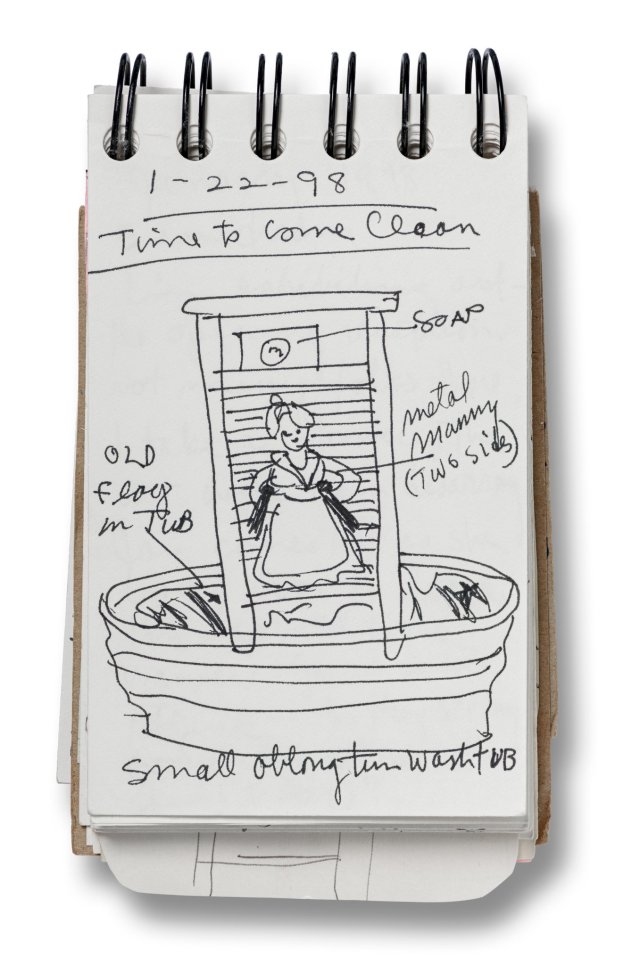
“Sketchbook 1998,” at the Los Angeles County Museum of Art. Credit Betye Saar, via Roberts Projects, Los Angeles.
My favorite words from her mouth are the following: “You can’t beat Nature for color, She’s got it down.”

And “Supreme Quality” (1998), the assemblage based on the sketch. Credit Betye Saar, via The Rose Art Museum, Brandeis University; Tim Lanterman/Scottsdale Museum of Contemporary Art.
The theme of the deserving artist, long neglected, who achieves belated recognition while still living is low-hanging fruit for the art journalist. I suspect that the story lurking behind the neglect of Saar’s work is glimpsed in the following words of Ann Temkin, MoMA’s chief curator of painting and sculpture:
“For the most part (and with notable exceptions) until this past decade we were not looking in the directions where we would have found Saar’s work. And speaking personally,” she added, “for that reason now is such an inspiring and rewarding time to happen to be a curator.”(Holland Cotter, “‘It’s About Time!’ Betye Saar’s Long Climb to the Summit,” NYTimes, 9-4-19)
Speaking personally, do I detect in Temkin’s remark a bit of understatement around an institutional legacy of turning a blind eye to artists from certain “directions”? No matter. She happens to be a curator now inspired and rewarded to be looking in Saar’s direction.
(c) 2019 JMN



 EthicalDative
Ambiguous Freedom
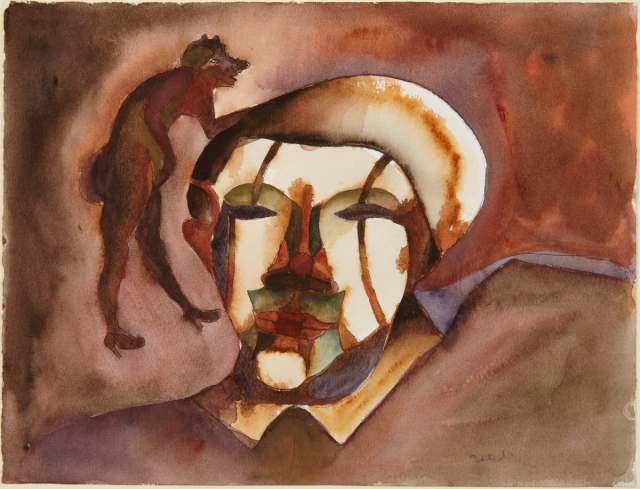
Mr. Van Sant’s “Untitled (Hollywood 4),” 2018-2019, watercolor on linen. Credit Gus Van Sant and Vito Schnabel Projects.
Film maker Gus Van Sant is known for “Drugstore Cowboy,” “My Own Private Idaho,” and “Good Will Hunting.” I didn’t know he also painted. Watercolor on linen is an unfamiliar combination for me. I’m not sure I would look too closely at these pallid paintings without knowing they were the work of a renowned film director. They remind of the background of a cartoon by Barry Blitt.
“… Freer than they are.” I’m struck by the ambiguity of the pronoun “they.” Its antecedent could be either “artists” or “characters.” Each way, the statement makes an interesting, but different, point.
(c) 2019 JMN