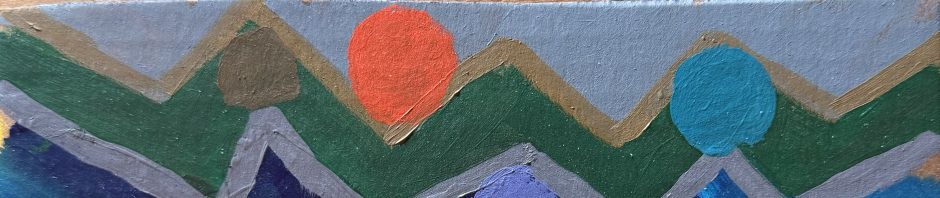
Harold J. Nichols (1924 — 2013)
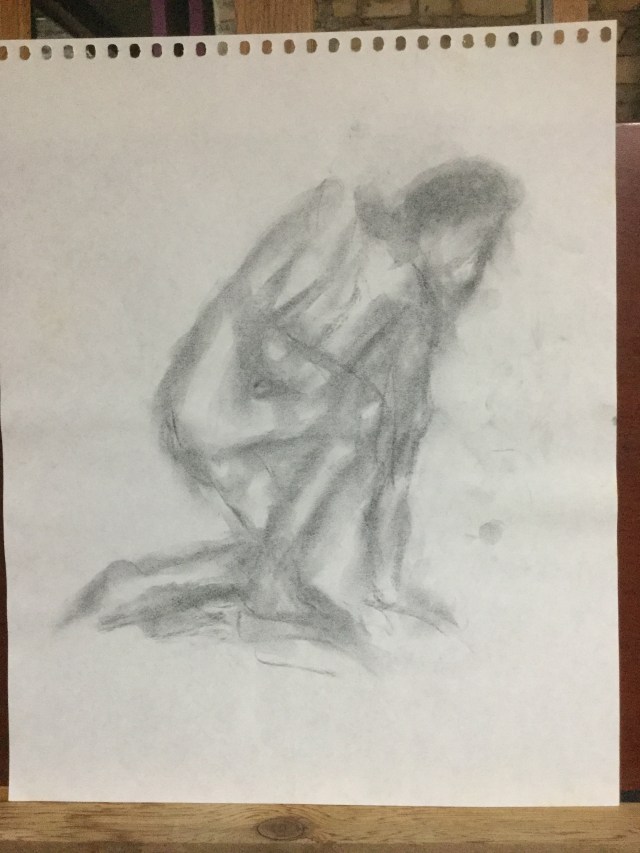
fHJN-1271
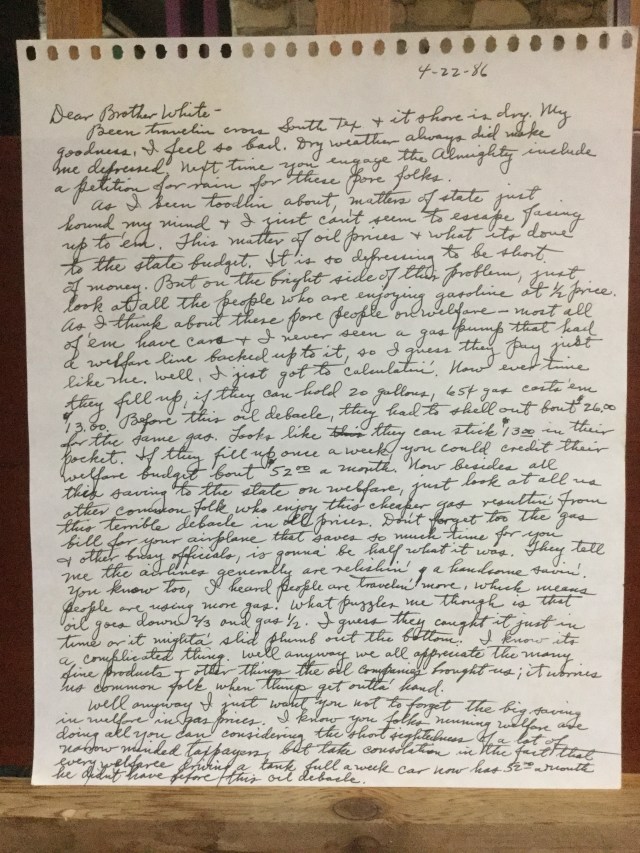
fHJN-1272

fHJN-1273
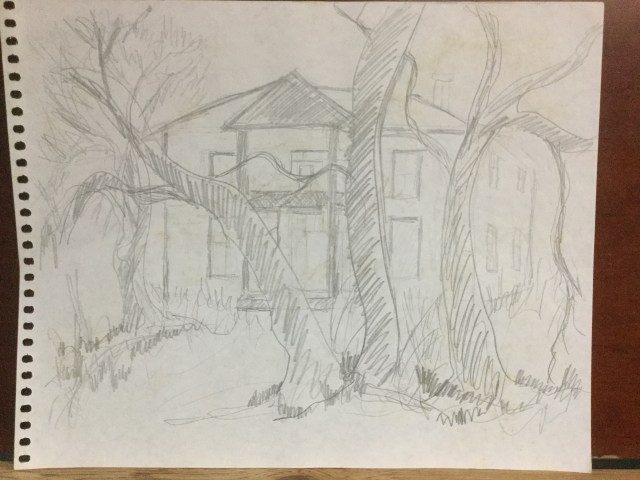
fHJN-1274
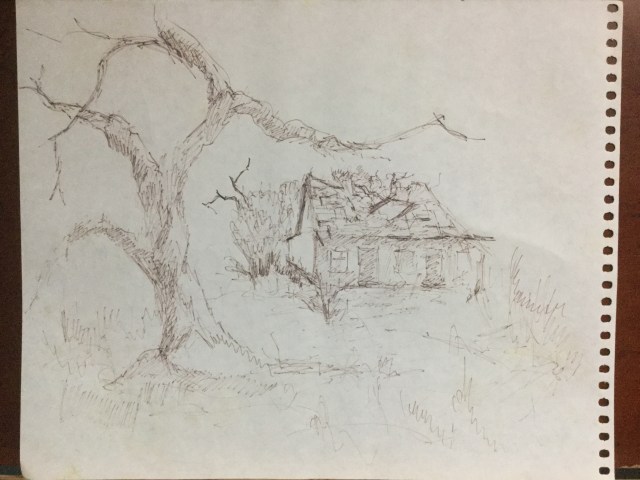
fHJN-1275

fHJN-1276
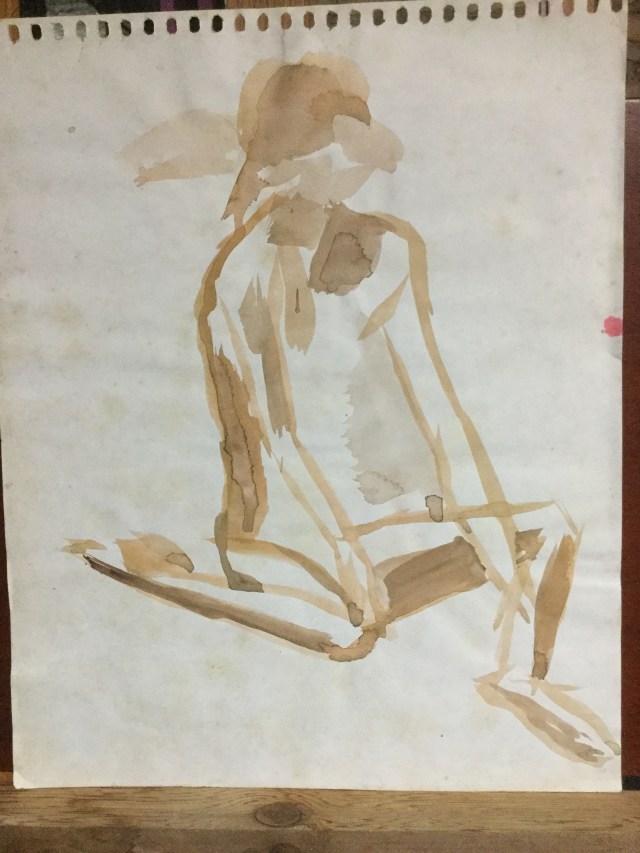
fHJN-1277
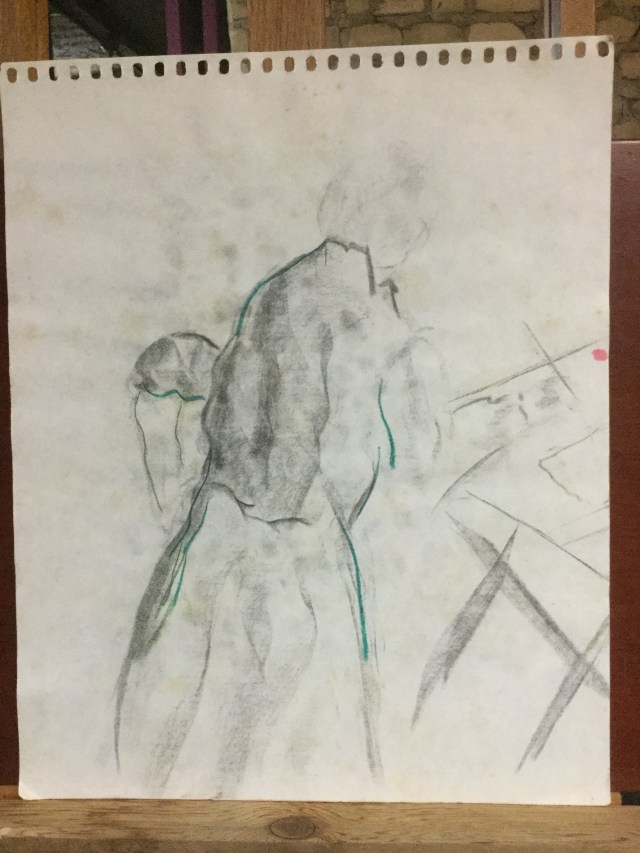
fHJN-1278

fHJN-1279
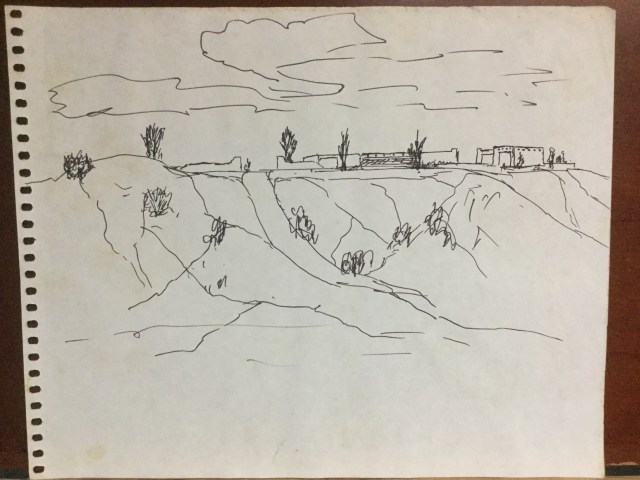
fHJN-1280
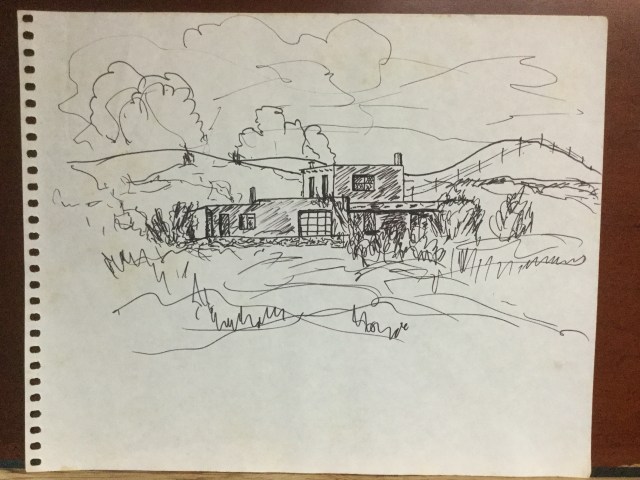
fHJN-1281

fHJN-1282

gHJN-1283

gHJN-1284
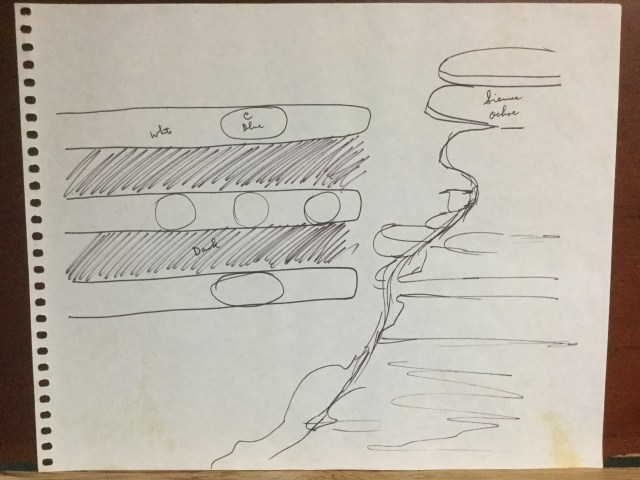
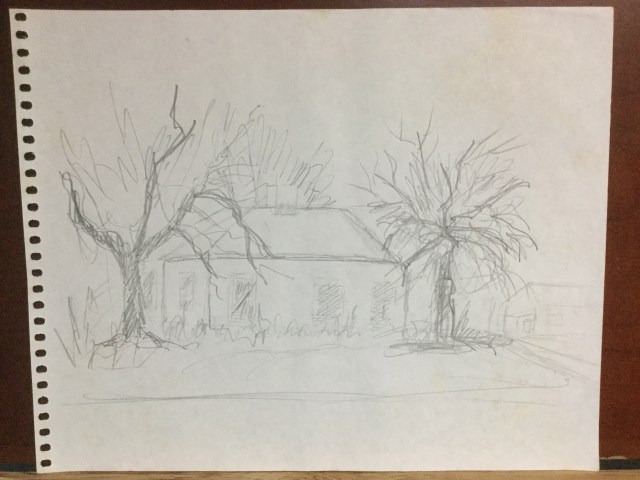
gHJN-1286
(c) 2019 JMN
Harold J. Nichols (1924 — 2013)
fHJN-1271
fHJN-1272
fHJN-1273
fHJN-1274
fHJN-1275
fHJN-1276
fHJN-1277
fHJN-1278
fHJN-1279
fHJN-1280
fHJN-1281
fHJN-1282
gHJN-1283
gHJN-1284
gHJN-1286
(c) 2019 JMN
JMN
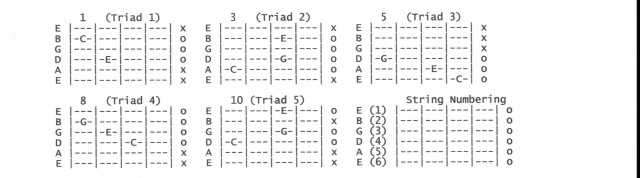
“A triad is a simultaneous combination of three notes.”
(Ralph Denyer, “The Guitar Handbook,” Alfred A. Knopf, New York, 2006)
The introductory sentence to the “Triads” section of this useful guide distracts me from triads.
I’m drawn off the mark worrying how a simultaneous combination of notes distinguishes itself from a mere combination of notes.
You can play a triad simultaneously — all three notes sounding at once — by plucking or pinching the strings appropriately; you can also arpeggiate a triad so that each note follows upon the other, sounding in more or less rapid succesion. Either way it’s no less a
combination, so what does simultaneous add?
This is the sort of question that GBTP strives to protect you from.
(c) 2019 JMN
James Thomas “Tom” Jones (1920 — 2000) (c) 2019 JMN
Edward Muegge “Buck” Schiwetz (1898 — 1984) (c) 2019 JMN
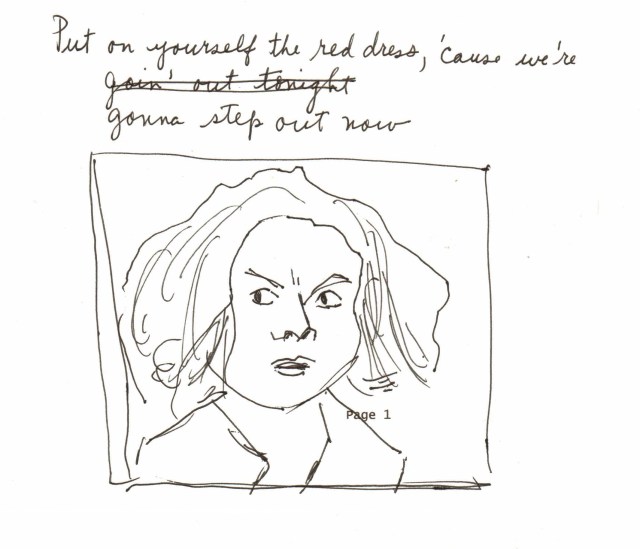
Doodle & Scrawl (JMN)
I’m due a serving of KFC for asserting in the last chapter of GBTP that in guitar tuning the Major Third between strings 3 and 2 punctuates a sequence of Perfect Fifths. I should have said Perfect Fourths.
For me, the way to clarity often is to go the wrong way around, trapping errors until I rest on a patch of clearing. When I made my “Perfect Fifths” gaffe, I thought I was in control of the narrative about the intervals between strings. I wasn’t.
The high E-string is string 1. The low E-string is string 6. In ascending string order — 1 through 6 — the tuning is E-B-G-D-A-E. In descending string order — 6 through 1 — the tuning is E-A-D-G-B-E.
Why should we care about descending string order? Because the pitch sequence in that order is from low to high. And the commonly talked-about intervals are the ascending ones, where the second pitch is higher than the first.
For me if not for you a question hangs in the air: Why did the guitar strings get numbered in this cart-before-horse fashion anyway?
I will deconstruct the interval picture with symbology in the next chapter. It will make no more sense than now, but there you have it — coming next.
(c) 2019 JMN
Edward Muegge “Buck” Schiwetz, 1898-1984, born in Cuero, Texas (c) 2019 JMN

The singer Cai Xukun performing in Beijing. Credit VCG/Getty Images.
It’s diverting to see how evolving styles of masculinity in China can flummox the patriarchy. Redolent translations bubble up from the fascinating goo of rhetoric around the matter.
… “little fresh meat,” a nickname, coined by fans, for young, delicate-featured, makeup-clad male entertainers.
…
The state news agency Xinhua denounces what it calls… “sissy pants” culture as “pathological….”
…
“The ridiculous condemnation of ‘sissy pants’ men shows the gender ideology of a patriarchal society that equates toughness with men and fragility with women,” a journalist… wrote….(Helen Gao, “‘Little Fresh Meat’ and the Changing Face of Masculinity in China,” NYTimes, 6-12-19)
A major Communist Party organ wrote that at a time when China confronts multiple threats the country doesn’t want to see its men “shrieking while refreshing their makeup.”
I dunno. A world led by men shrieking while refreshing their makeup seems like a better place.
(c) 2019 JMN
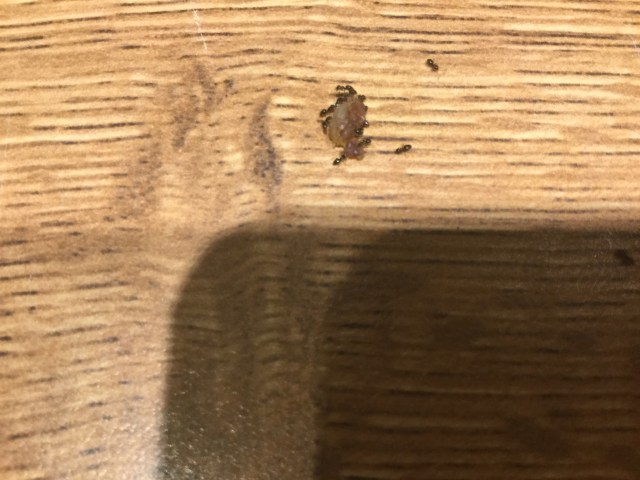
The Divine in ant-drag is having a micro-tiny romp on my kitchen drainboard to remind me how wholly life expresses itself.
Sugar ants go everywhere at once in some inscrutable order, regroup around the task of tugging a crumb this way — no wait, that way! — then settle on just eating it. An hour later the crumb is gone and so are they — back through a nick in the caulk. A platoon of these hyperactive lilliputians can subsist on a speck.
I’m left with no recourse but to share with the sugar ants the space I occupy. I’ve no greater rights to it than they do, says whatever it’s called that stays my hand from dialing the pest control man.
(c) 2019 JMN
Farhad Manjoo is a favorite journalist of mine. I’ve read him from when he wrote about tech on Slate before joining the NYTimes. He touts in this column an “unsocial” digital diary app called “Day One,” describing it as “a private social network for an audience of one: yourself.”
I use it to jot down my deepest thoughts and shallowest jokes; to rant and to vent; to come to terms with new ideas I’m playing with, ideas that need time to marinate in secret before they’re ready for the world; and to collect and reflect upon all the weird and crazy and touching artifacts of life in this bracing historical moment…
(Farhad Manjoo, “Why a Digital Diary Will Change Your Life,” 6-12-19)
I have to write to think. Before (re-)starting this blog I considered doing private journaling on Penzu instead. However, that seemed a bit too solipsistic. It risked trapping me in the echo chamber of my own head. EthicalDative is middle ground. Though theoretically anyone can view it, it feels private. Its readers are few, and likely to be persons to whom I would open my diary anyway.
(c) 2019 JMN
 EthicalDative
Surrealism’s Daughters
Leonora Carrington’s fantastical figures emerge in the 1953 painting “And Then We Saw the Daughter of the Minotaur” at Gallery Wendi Norris: a seated goddess-cum-mystical figure with a cow’s head and a green moth-flower unfurling like a gigantic leaf. Credit Estate of Leonora Carrington/Artists Rights Society (ARS), New York; via Gallery Wendi Norris.
The creature with a “cow’s head” in Carrington’s “And Then We Saw the Daughter of the Minotaur” looks like the minotaur bred a doe, which of course is surreally plausible.
Carrington’s “Down Below,” from 1940. The artist’s imaginary settings, characters and palette change with each canvas. Credit Estate of Leonora Carrington/Artists Rights Society (ARS), New York; via Gallery Wendi Norris.
Contagious perhaps, but why do I find some of these paintings chilly? I think they work a little too hard at otherworldliness. Perhaps I find it hard to dissociate paintable strangeness from this world.
I may be more challenged than I thought in finding surrealism “accessible”; however, if I can read into a painting even a hint of humor and irony, I warm to it.
Remedios Varo’s “Exploration of the Sources of the Orinoco River,” from 1959. Credit Artists Rights Society (ARS), New York/VEGAP, Madrid.
In Remedios Varos’s painting, the mighty Orinoco River squirts from a goblet. A lady explorer in natty attire, ensconced in an outlandish vessel, has discovered its origin. This pallor-ridden concoction full of delicate drawing and fussy brushing draws me in. I discover details: her hat is actually built into her easy-chair boat, which has a side-pocket for notes and receipts; a tiny compass is conveniently mounted on a flexed material squarely in front of her; her right hand fingers a drawstring that controls side-flaps and a wing-like sail (note how the strings are routed through her epaulet buttons); her left hand manipulates a rope that actuates a bellows-like propulsive mechanism… and so forth. It’s enjoyable not for its painterly properties but because it’s so fastidiously conceived and wittily engineered — a visual joke.
(Roberta Smith, “Female Surrealists Re-emerge in 2 Startling Shows,” NYTimes, 6-13-19)
(c) 2019 JMN