
“The eye of Texas is upon you…” (State Anthem modified)
If past experience (cough, blogs) is any indication, a shakeout is nigh.
(Jennifer Miller, “Have We Hit Peak Podcast?” NYTimes, 7-18-19)
A bigger shakeout than podcasting (cough, climate change) is nigh. I’m reminded of a New Yorker cartoon in which the iconic doomsday prophesier stands on the corner with a sign reading “The End is Nigh-ish.”
Disaster comes in its own good time but is always nigh-ish. Past experience is never an indication of anything. As Faulkner said, it’s not even past. There’s little evidence that humans have ever profited from experience. War, for example, is permanent.
Vogues, on the other hand, are vagaries that skitter and ripple over surfaces at click speed; they go, and sometimes they come.
According to Jennifer Miller, podcasts are going and blogs are way gone. I’ve listened to only one podcast, and already podcasts are gone-ish. Email, it seems, is gone or close to it, having given way to messaging. Using smart phones as telephones is gone. Facebook, though obscenely wealthy, is gone; it’s the reduct of pensioners now, having given way to Instagram, which is probably close on getting gone by now.
The thing most nigh, next to death, is the next veering of the herd.
It’s comforting now to blog, to be a straggler, stranded in a stagnant backwater, a johnny-come-lately to the digital picnic. Blogging is intimate and viral-free. A conversation of adepts away from whom the herd has veered. A refuge from the toxic circle of narcissism that drives likeaholics to fall off cliffs and strangle porpoises while taking their selfies.
Goodbye, bloggers. And hello. Let’s keep going.
(c) 2019 JMN



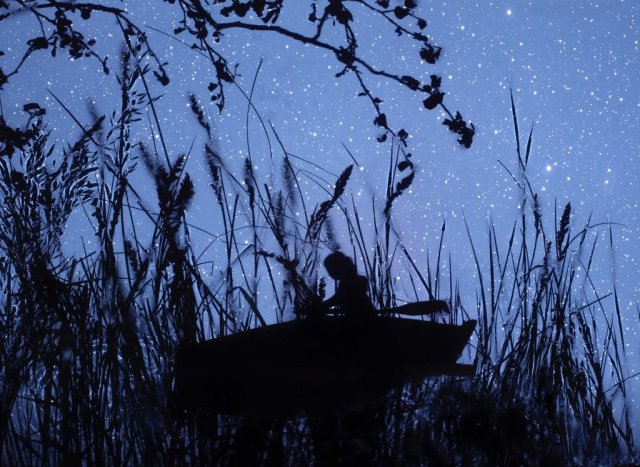


Epitaph
The cyber picnic, my friends, has moved on.
The Kardizzians and Kewdipies have pitched blanket in a far meadow. The Influenced track their spoor and veer thither like droves of skittish wildebeest.
Where moments ago blogs capered and podcasts tramped, sugar ants coat petit fours discarded in the bent grasses.
The wind hums on wire.
A dove coos.
Already the grass is unbending.
(c) 2019 JMN