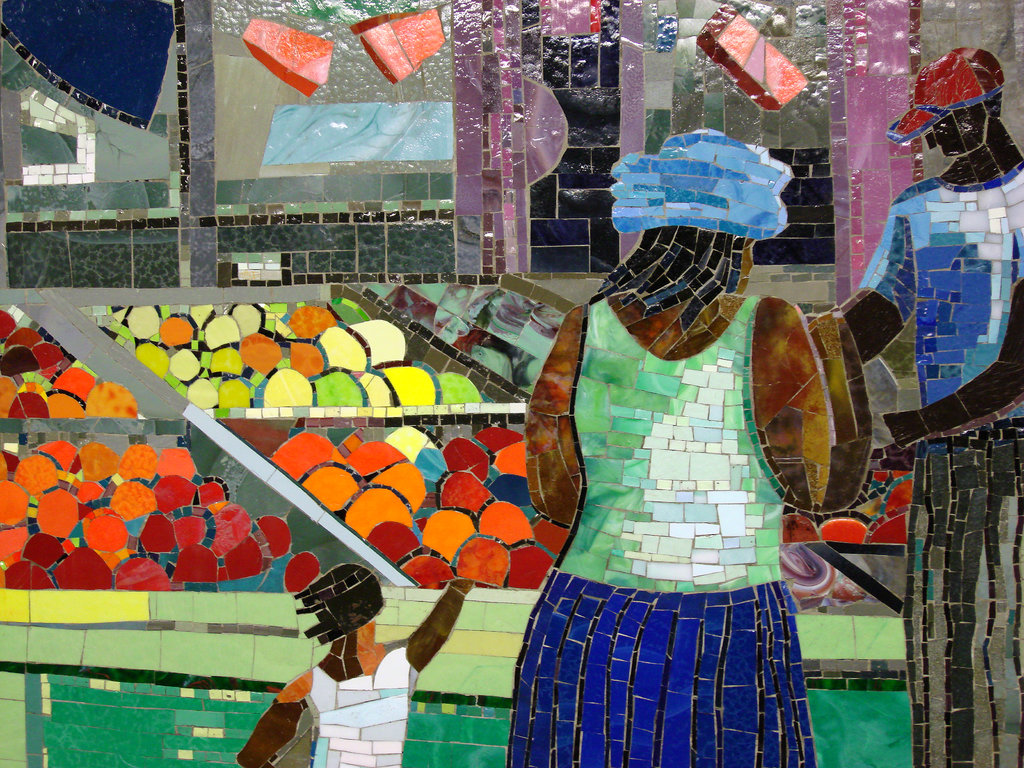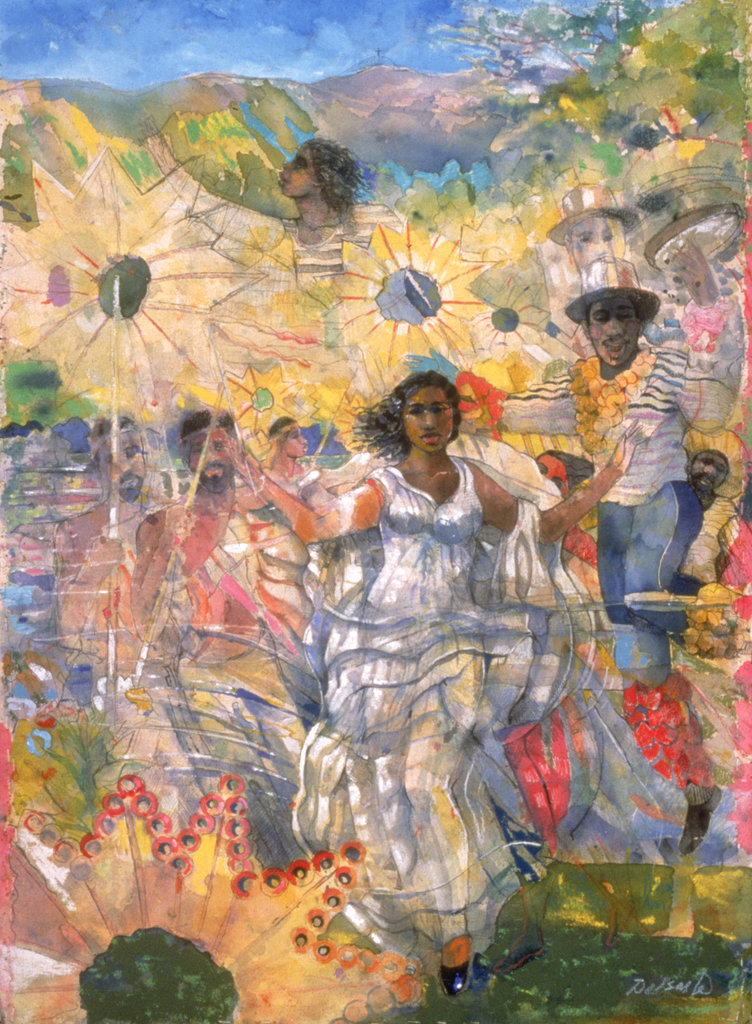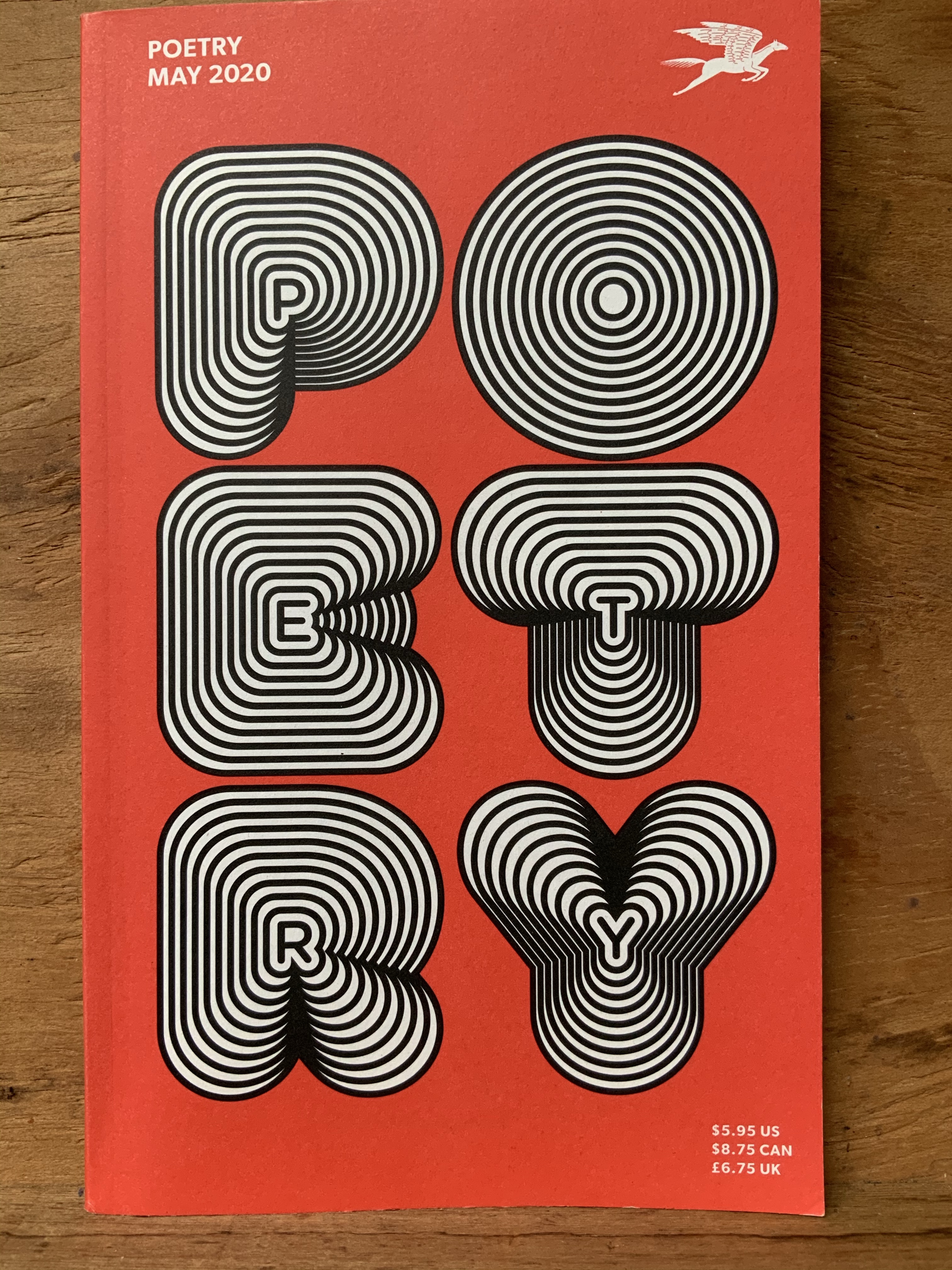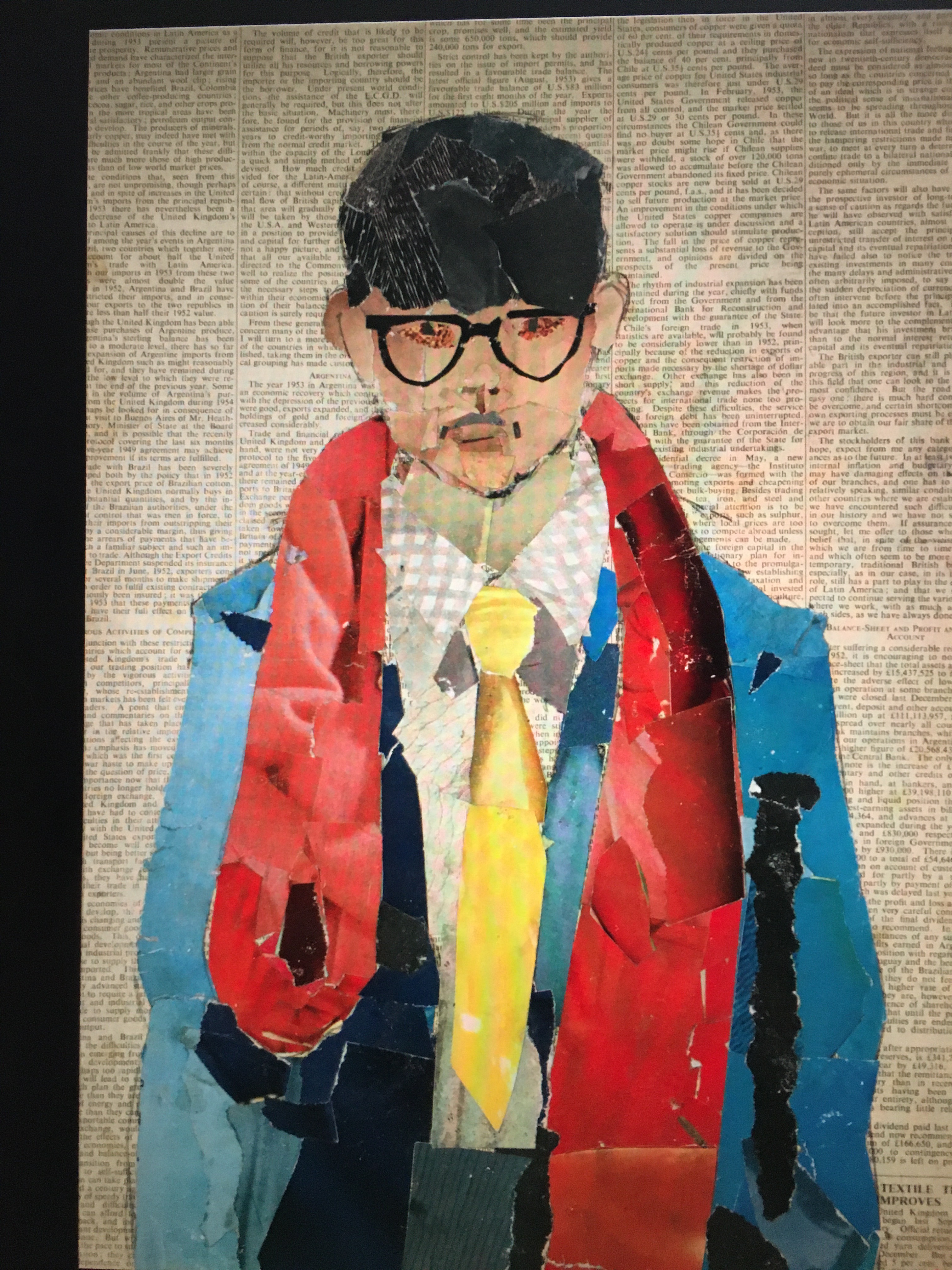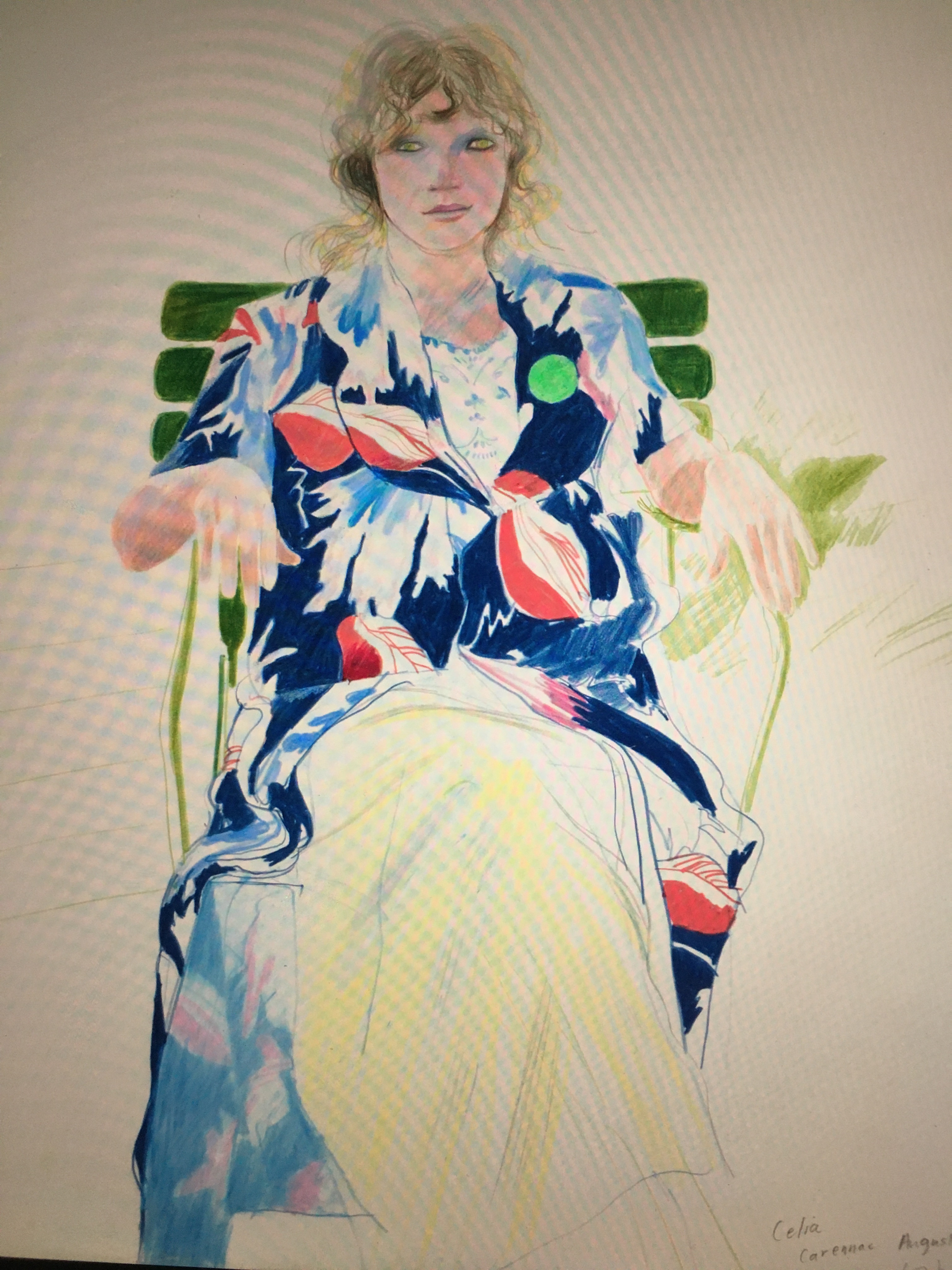

I like this illustration to Roger Cohen’s column enough to leave it alone.
(Roger Cohen, “Who Knows Where the Time Goes,” NYTimes, 5-1-20)
(c) 2020 JMN

I like this illustration to Roger Cohen’s column enough to leave it alone.
(Roger Cohen, “Who Knows Where the Time Goes,” NYTimes, 5-1-20)
(c) 2020 JMN

This article is summative and conclusivist in broad spectrum, but its immediate service is the convenient running to ground of generation labels.
A national poll conducted in mid-March by the data intelligence company Morning Consult, which has been tracking public reactions to the coronavirus outbreak since January, found that 87 percent of baby boomers (those born between 1946 and 1964) were practicing social-distancing measures, compared with 83 percent of Gen Xers (1965 and 1980), 76 percent of millennials (1981 and 1996) and 73 percent of the Gen Z crowd over the age of 18 (1997 and 2001). Numerous follow-up surveys confirmed this pattern, with boomers being the age group most willing to self-isolate.
Forthwith to be forgotten because they are both forgettable and misbegotten.
This sort of generational profiling is itself a form of misinformation. Aside from the fact that generational boundaries are imprecise, claims about systematic differences between generations are rarely of any empirical worth.
(Alex Stone, “Baby Boomers Were Blasé About the Coronavirus? Why Did We Believe that?” NYTimes, 4-30-20)
(c)heek 2020 JMN

Acting SECNAV Thomas B. Modly fired Capt. Bret E. Crozier, commander of the Theodore Roosevelt, when his plea on behalf of his crew after a coronavirus outbreak on the carrier went public.
Adm. Michael M. Gilday, chief of naval operations, recommended giving Capt. Crozier his job back.
Defense Secretary Mark T. Esper declined to endorse that finding, saying he wants to review the Navy’s investigation into the matter first.
Acting SECNAV James E. McPherson, who replaced Modly, said in a statement:
“This investigation will build on the good work of the initial inquiry to provide a more fulsome [my bolding] understanding of the sequence of events, actions and decisions of the chain of command surrounding the Covid-19 outbreak aboard U.S.S. Theodore Roosevelt,” Mr. McPherson said.
(Eric Schmitt and Helene Cooper, “Navy Secretary Orders Deeper Inquiry Into Virus-Stricken Ship,” NYTimes, 4-29-20)
McPherson’s need for greater fulsomeness is thought to integrate with Esper’s demand for a heads-up from American commanders around the world concerning any decisions made about protecting their personnel from the virus that might “run afoul of [acting POTUS’s] messaging.”
(c)heers 2020 JMN

George Condo alludes to the pandemic as a species of “microbiological warfare” created to get someone re-elected. Then he gets down to art:
As to what I’m doing as an artist, I’m just exploring the psychological impact of… how fear, anxiety, panic — how do you put that into some kind of poetic language that maintains your identity and integrity as an artist?

It is true that we often respond to invincible enemies — drugs, terror, microbes — by declaring “war” on them. I hope Condo’s hope-filled desideratum for a post-Covid world is less delusional:
I think the idea of things being homemade, like the way we have to cook every night… and how to make yourself happy with your own two hands, I think that’s where we’re headed. I’m hoping that, post-Covid, people don’t forget that… I hope people don’t just go back to being money-grabbing and horrible.
(M. H. Miller, “Two Exhibitions Respond to Art in the Age of Anxiety and Distance,” NYTimes, 4-24-20)
(c)heers 2020 JMN

In 2008, an IBM study that sought to identify “workers who are “virtually indistinguishable from others’ in terms of the value of their contributions to the workplace” was reported. (www.workitdaily.com). It’s pointed to when you Google “fungible.”
In 2020, Kara Swisher writes:
In America 2.0, we must address the changing work force and figure out a new way to formulate what an employee actually is… It begins by acknowledging after the crisis that our essential workers are, in fact, essential and not fungible.
(“How to Make America 2.0 a More Equitable Society,” NYTimes, 4-23-20)
I’ve tried to write something insouciant and witty about the notion that certain people are fungible (read “expendable” or “interchangeable”) in a society: that the elderly, the sick, the homeless, and those who work at menial jobs, for example, are candidates for culling from the herd when viral push comes to viral shove. But the ironic riffs I’ve drafted fall flat.
Lt. Governor Dan Patrick’s fatuous fusillade that older Texans should cheerfully re-mingle and risk corona-death for the sake of re-inflating the economy is horrifying, pure and simple.
Rightly considered, who isn’t fungible in a pinch? The person that matters to me most right now isn’t a Bolsonaro or a Putin or a Trump to mislead me; nor a David Geffen to comfort me from his yacht; nor a Franklin Graham to keep me in his thoughts and prayers; it’s my greengrocer and repairman. And my GP.
In a polity that took its piety seriously, no creature of a credible God would be dispensable to His or Her Creation. The joke the Almighty plays on the high and mighty is that, when our common need for cure, care and sustenance is in the balance, the highly placed are the ones who become highly fungible. No doubt it makes them nervous as they huddle over their calculus of how many they can inconsequentially let die.
(c)heers 2020 JMN

Holland Cotter reviewed in February “Vida Americana: Mexican Muralists Remake American Art, 1925-1945” at the Whitney Museum of American Art through May 17, 2020.
Cotter traces a thread of Mexican art history leading from the “big three” — Diego Rivera, David Alfaro Siquieros, and José Clemente Orozco — to a number of American artists whom they influenced.
… Works by artists who learned from [Diego Rivera] — Ben Shahn, Philip Evergood, Thelma Johnson Streat, Xavier Gonzalez and Marion Greenwood — outnumber his own. You can see why he was a popular model. There’s something expressively boilerplate about his art, making it adaptable to varied uses and settings and patronage.

Cotter highlights the student-teacher relationship between Siqueiros and a young Jackson Pollock beginning in 1936.
We see examples of the increasingly anti-conventional techniques the muralist developed: spraying, splattered, dripping paint, building up glazes in ugly lumps on the canvas surface, anything to make the results look unpolished and unsettling. And we see Pollock beginning to test out these unorthodoxies.
The critic advances a hedging conclusion about Mexico’s influence on its northern neighbor.
Is it too much to say that we owe Abstract Expressionism, at least the Pollock version of it, to Mexico? Maybe, but only a little too much… Did influence run both ways? Student to teacher? South to north and back? Undoubtedly.
(Holland Cotter, “How Mexico’s Muralists Lit a Fire Under U.S. Artists, NYTimes, 2-20-20)
(c) 2020 JMN

I’m at my dining room table sketching now. And they’re raw sketches. Just a Pilot pen on tracing paper. (Frank O. Gehry)

I’ve actually been busy doing drawings similar to one from 2018 called “Anxiety Drawing.” They were black, and now they are red. (Rashid Johnson)

It is a portrait of three women… It’s always kind of fun to juxtapose things and keep it moving. (Lorna Simpson)

Right now, I’m looking out across a road to an open plot of land, and the grass is sort of that rusty, red color with a little bit of sand tone to it. And there’s a small evergreen blowing in the wind. And I think it’s the fact that nothing is happening — other than this sort of welcoming but barren landscape — that is the most inspiring thing at the moment. (Adam Pendleton)

I’ve been looking out the window and I’m starting a series of drawings that are about rivers, in walnut ink… I’m also starting to read a book on Alexander von Humboldt… (Maya Lin)

Just a few weeks ago I was in Los Angeles editing my next book. It is a group of previously unseen work called “Outlands” that should be published this fall. These volumes represent the last definitive pass of my early work shot on Kodachrome… We reviewed images that I haven’t seen in more than 40 years — all from Memphis and environs, with very much a pure use of color, and of a vanishing world at the time. (William Eggleston)
(Ted Loos, “Artists Are Hunkered Down, But Still Nurturing Their Inner Visions,” NYTimes, 4-21-20)
(c) 2020 JMN

Language is awash in slurs: racist, ethnist, nationalist, sexist, ageist, classist, occupationist, sexual orientationist, “ism-ist,” and so on and so forth. The human race is a slurring race.
I’m far from wishing to resurrect offensive words from their just entombment. Very occasionally, however, and with cause, citing a slur by its name is a prerogative of responsible reporting, especially if maladroit paraphrase can lead to a misreading of what’s reported.
There are sufficient displays of cant and rant by all parties in this story, but noteworthy is how it echoed in the NYTimes, which permitted the following headline:
“University Condemns Comparison of ‘OK, Boomer’ to Racial Slur by Professor.”
Clarity is of the essence in good journalism. It’s a single-impact genre, unlike essay or poetry, whose audience has more of a commitment to close reading. For a second, I thought someone had compared the phrase “OK, Boomer” to a racial slur uttered by a professor.
Not quite, but the subheading didn’t help:
“A professor at the University of Oklahoma provoked outrage by saying the phrase “OK, boomer” was like a racial slur for black people. He later apologized to students.”
For black people “OK, boomer” was like a racial slur? Still not quite. My point is that ambiguity could have been avoided by a headline such as this:
“University Condemns Professor’s Comparison of ‘OK, Boomer’ to the N-Word.”
Writing “the N-word” is not the same as spelling out what it euphemizes, and would have given immediate context to the outrage on campus, which is the story:
Molly Kruse, a 21-year-old senior who was in the class… said she walked out of the class at that moment and went to the dean’s office… Ms. Kruse said she hoped the incident spurred changes at the university. “The fact that someone could really think that ‘boomer’ is the equivalent of the n-word, I don’t know,” she said. “I hope this is a wake-up call that our college needs more diversity and professors need to be trained in how to include all students.”
… An organization of black student leaders with the stated mission of confronting racism on campus, said on Twitter that it expected “full action to be taken against the professor and college… In addition, we expect accommodation be made for the students who have experienced trauma because of this.”
“The use of the most offensive word, by a person in a position of authority, hurt and minimized those in the classroom and beyond,” [Interim president Joseph Harroz Jr.] said.
In his email to students, [Peter Gade, director of graduate studies at the university’s journalism school] wrote, “I made an inexcusable mistake this morning in class with my choice of a word… I was wrong. I am sorry. I realize the word is hurtful and infuses the racial divisions of our country, past and present. Use of this word is inappropriate in any — especially educational — settings…” He asked students to “please give me an opportunity” to show he was an instructor who was “trustworthy and respectful of all.”
(Maria Cramer, “University Condemns Comparison of ‘OK, Boomer’ to Racial Slur by Professor,” NYTimes, 2-12-20)
There it is, in several nutshells: the not-knowing, the trauma, the minimizing, the sorrow.
(c) 2020 JMN

The restaurant business is suffering from the corona-crash like many other sectors of commerce. Legitimate concerns are expressed for the many workers in food and hospitality whose livelihoods are blighted now.
There’s a certain irony, therefore, in the thesis of this article: That many people are benefitting, healthwise, from eating out less.
A poor diet is the biggest underlying cause of mortality in America, and that poor diet is largely delivered by large food companies like Pepsi, Coca-Cola, Chick-fil-A and McDonald’s. Just 10 dietary factors (such as high intake of processed meat and refined grains) are estimated to cause more than 1,000 deaths per day from heart disease, stroke and diabetes alone. More than 100 million Americans have diabetes or pre-diabetes and 122 million have cardiovascular disease.
Frequent cooking could make a difference in outcomes — on average, people who frequently cook at home eat less fat and sugar than other people. Most restaurants and many large food companies, after all, use levels of salt, sugar and fat that would be inconceivable for home cooks. [my bolding]
(Hans Taparia, “How Covid-19 Is Making Millions of Americans Healthier,” NYTimes, 4-18-20)
I’ve been in several relationships in which my partner has been averse or indifferent to cooking, leaving it to me to assume the chef’s hat in the domestic arrangement. As a living-alone person now, my private slogan has been: “The man who doesn’t cook for himself eats poorly and dearly much of the time.” The mantra helps me make lemonade from lemony circumstance, if you will; however, it may be truer than I realized.
(c) 2020 JMN
Color in Shadow
Jordan Casteel’s paintings come at you. There’s no subordination. They are like a roomful of stories told all at once.
One figure hides in his colorful skin; two others iridesce, starkly defined. Sofas riot; a hot mirrored lamp commandeers its swatch of space. No crease of flesh nor fold of drapery escapes scrupulous modeling. Uncentered subjects in scenarios “awash with color and pattern… let their surroundings complete the picture.”
(Jillian Steinhauer, “Portraits That More Than Meet the Eye,” NYTimes, 4-29-20)
(c) 2020 JMN