I encountered the following expression in my Arabic reference grammar: May you be ransomed by my soul!

Arabic can be sublimely terse and florid in the same breath. Blachere’s example shows optative use of the perfect tense instancing how the preposition bi- can introduce the real subject of a passive verb; it’s said to be a formula of courtesy from the classical era. As I checked dictionary meanings for the root f-d-y used in the phrase, my eye passed over phrases illustrating meanings for a different root f-D-D. One of them was the following:

Boom — discordance blossoms. The polyvalence of root f-D-D starts at break open and passes through pry, force, undo, pierce. Its complement, from root b-k-r, means virginity.
Dictionaries preserve words somewhat like sediments preserve fossils. Both teach a lot about what has gone before. Deflower may give way to rape in future dictionaries, but that’s contingent on woman’s lot improving outside language, and the past weighs heavily against it.
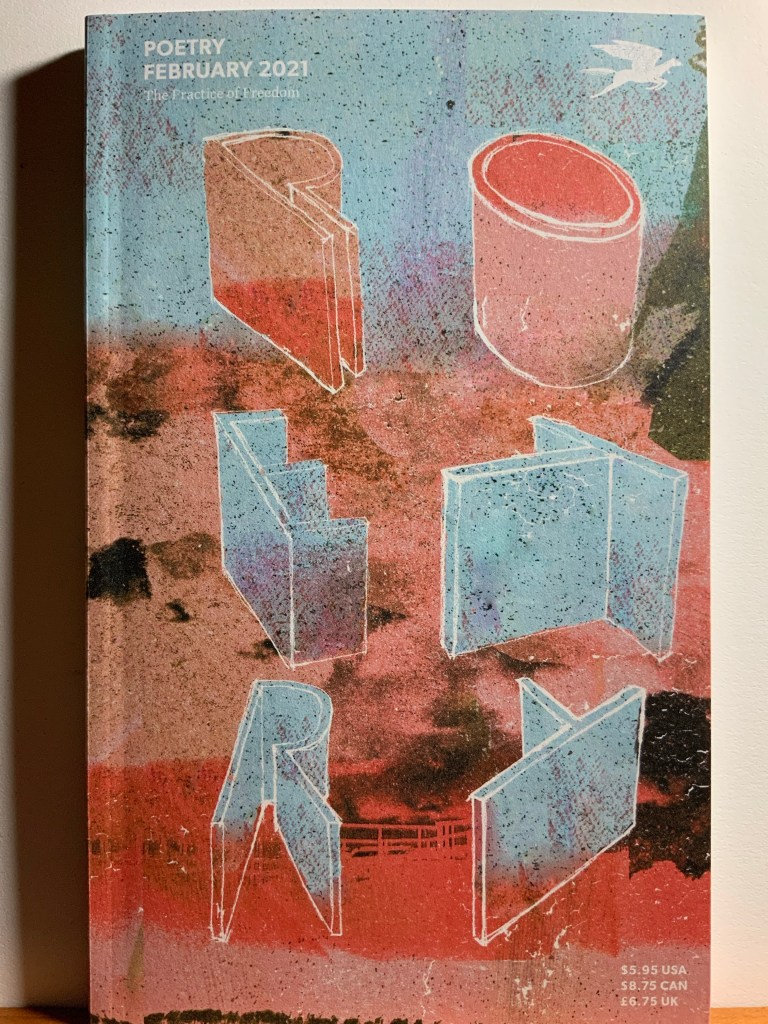
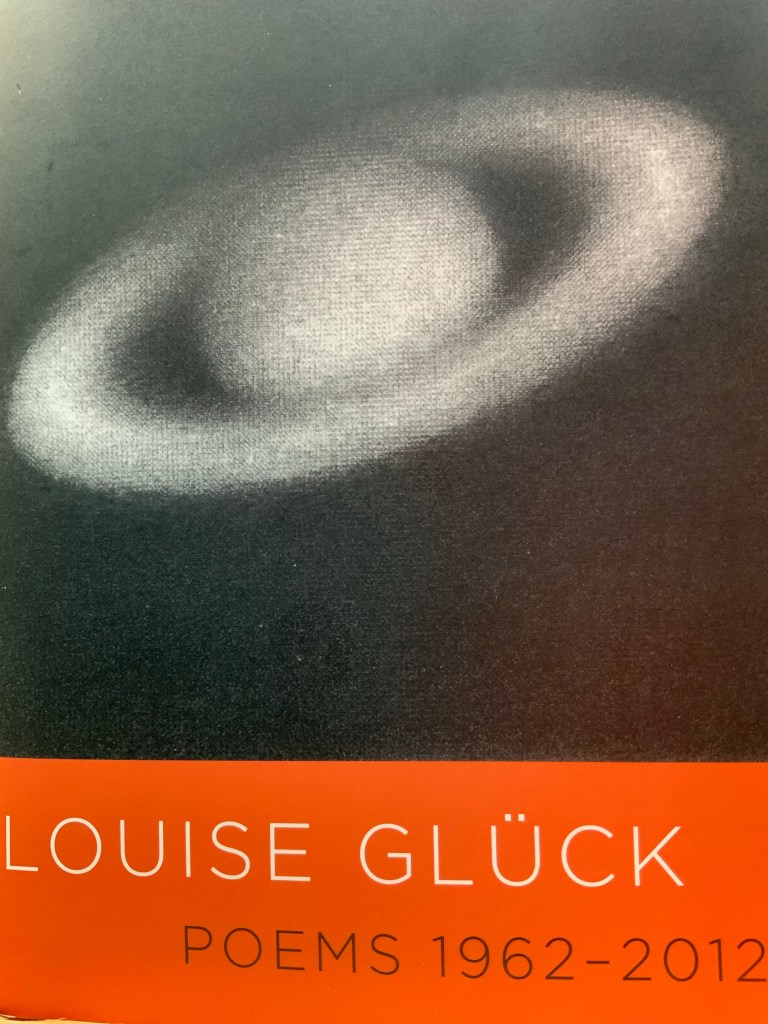
In her poem “The Garden” Louise Glück writes: … the past, as always, stretched before us, / still, complex, impenetrable.
The comma after still makes it describe the antecedent past; the past is still, i.e., static, unmoving, intransigent. Also complex and impenetrable.
She continues: How long did we lie there / as, arm and arm in their cloaks of feathers, / the gods walked down / from the mountains we built for them?
The verse asserts correlations that elude me; it hints perhaps at the speaker’s rueing in hindsight a supine cluelessness in respect to a vital mystery; interrogating reverence lavished on dashed idols; voicing disillusionment over a failure to perceive cynical affectation, regret at being duped by feigned camaraderie. The possibilities for misperception of the poet’s intention are boundless, but what dwells immutable for now is deflowered girls staring us in the face.
(c) 2022 JMN — EthicalDative. All rights reserved



 EthicalDative
The Camera Has Spoken. It’s My Turn
This gallery contains 1 photo.
And out comes a tenderly belabored prospect of dilapidation. Looking at a photograph I didn’t take, I painted a quaint tranche of unleveled-up Britain from the plein air of the shed I inhabit. Painting my two-bit canvases from photos lets … Continue reading →