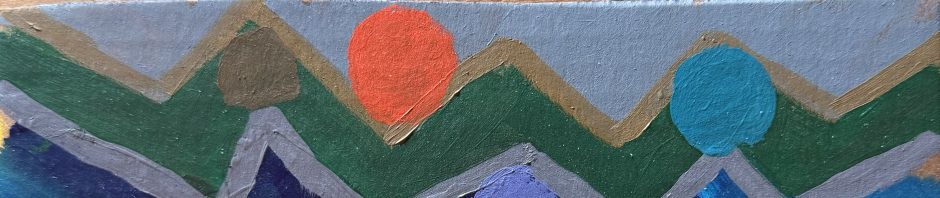
Behold and lo. What?
Fire. Ready. Aim. Oh my god.
Turn on body cam.
Versión castellana:
¿Qué es esto? ¡Coño!
Balazos. Hostia.
Ponte las gafas.
(c) 2021 JMN — EthicalDative. All rights reserved
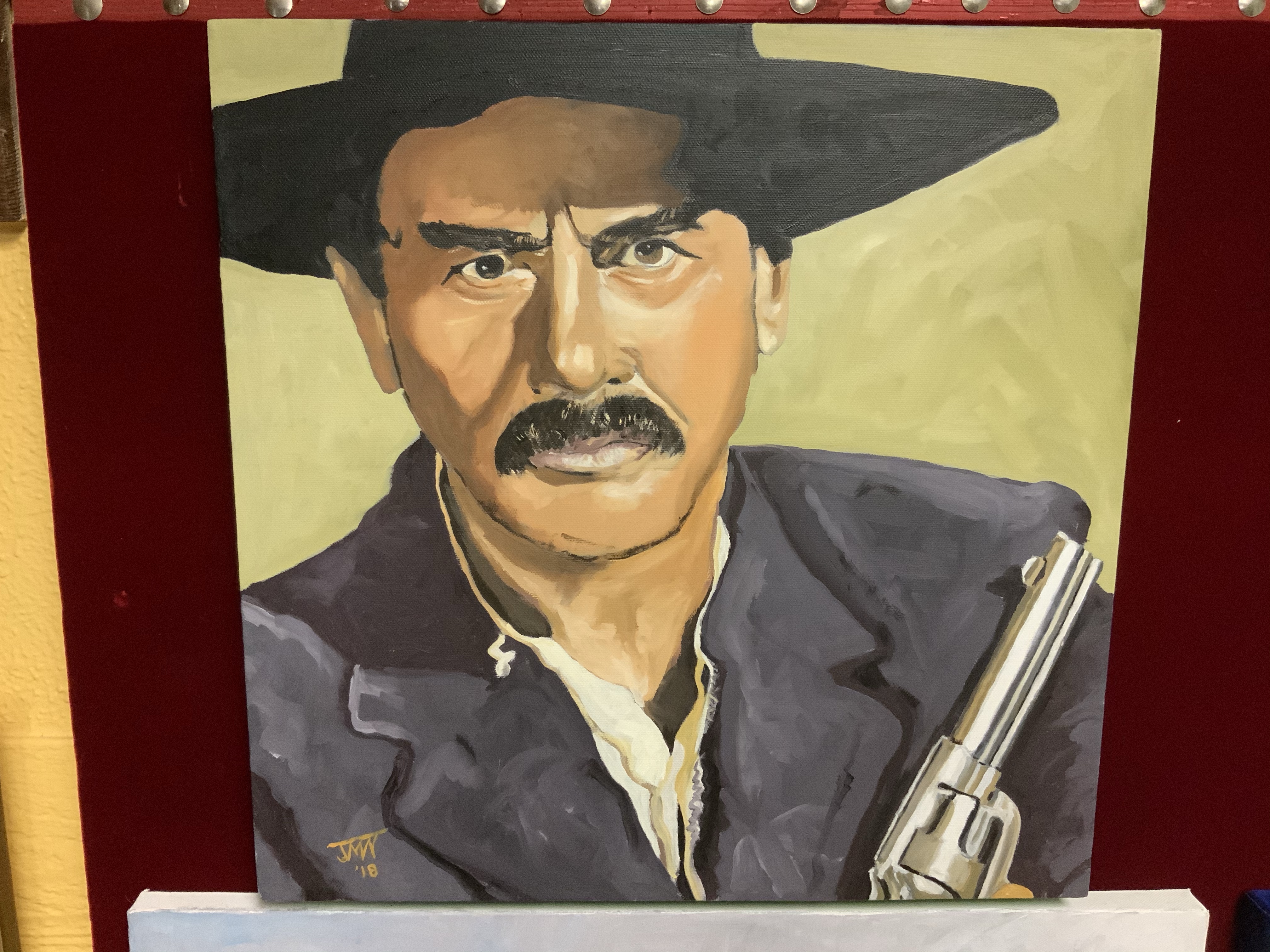
Behold and lo. What?
Fire. Ready. Aim. Oh my god.
Turn on body cam.
Versión castellana:
¿Qué es esto? ¡Coño!
Balazos. Hostia.
Ponte las gafas.
(c) 2021 JMN — EthicalDative. All rights reserved

La Ribera.
Ni pintado.
La luz cae y se levanta una ligera brisa. Solo se escucha el sonido de la corriente y el alboroto de las ranas.
This goes out to those tadpoles in your pond, Alba. “Luz, brisa, sonido, corriente, alboroto, ranas…”
(c) 2021 JMN — EthicalDative. All rights reserved

Arbusto en flor.
Vuelta a ellas.
Las flores o árboles siempre son una buena opción cuando no tienes oportunidad de fotografíar otras cosas.
Besides being a lovely photo by Carmac, this caption merits your attention for the Spanish conversations we’re practicing about what you see in your garden.
(c) 2021 JMN — EthicalDative. All rights reserved
The so-called ‘ethical dative’ or ‘dative of interest’, where the use of an indirect object pronoun expresses the involvement of the subject in the action of the verb, intensifies such feelings as sadness, happiness and mockery.
Ten cuidado, y no te me cortes un dedo. (F. Monge, in a lecture given at the University of Antwerp. 11 March 1983)
Be careful you don’t cut one of your fingers.
(By using me the speaker indicates that he is involved, that he will be sorry if it happens.)
El marido empezó con unos comentarios imbéciles, y me le reí en la cara. (M. Puig, 1980: 61)
Her husband began with some stupid remarks, and I laughed in his face.
La semana pasada se nos suicidó un parroquiano. (E. Mendoza, 1985:44)
Last week one of our parishioners committed suicide.
¿Y si soy un monstruo? ¿Y si me la violo? (A. Bryce Echenique, 1981: 85)
And if I’m a monster? And if I rape her?
The text cited is from Jacques de Bruyne, “A Comprehensive Spanish Grammar,” Blackwell Publishers, 1995.
(c) 2021 JMN — EthicalDative. All rights reserved

Dwight Garner’s review of a new biography of Marjorie Kinnan Rawlings* evokes a foible-wracked genius:
It’s a pleasure to meet this cursing, hard-drinking, brilliant, self-destructive, car-wrecking, fun-loving, chain-smoking, alligator-hunting, moonshine-making, food-obsessed woman again on the page.
The passage that hits home with me is this one:
She labored over her sentences, writing and rewriting. “No one knows how many composite sentences I have broken up into shorter direct ones, like the convict of hard labor ‘making little ones out of big ones’ on the rock pile.”
Pounding verbiage into gravel and sifting out twelve smooth stones to array in a select saying is the end of this sentence.
The author of “The Yearling” viewed mankind as less promising than rocks:
“Someday, I shall write a great feminist novel,” she wrote when young, “urging women to gird on their armor and kill all the men…”
(Dwight Garner, “Marjorie Kinnan Rawlings, a Novelist Who Went on a Quest for an Authentic Life,” NYTimes, 5-10-21)
*Ann McCutchan, “The Life She Wished to Live.”
(c) 2021 JMN

[LXXXII]
Amor mío, al cerrar esta puerta nocturna
My love, on closing this nocturnal door
te pido, amor, un viaje por oscuro recinto:
I ask, love, for a voyage through dark environs:
cierra tus sueños, entra con tu cielo en mis ojos,
shut your dreams, come with your sky into my eyes,
extiéndete en mi sangre como en un ancho río.
stretch inside my blood like a wide river.
Adiós, adiós, claridad que fue cayendo
Goodbye, goodbye, clear light gone falling
en el saco de cada día del pasado,
onto every last day’s sack of the past,
adiós a cada rayo de reloj o naranja,
farewell to every ray of clock or orange,
salud oh sombra, intermitente compañera.
greetings, O shadow, sometime companion.
En esta nave, o agua, o muerte, o nueva vida,
On this vessel, either water, death, or life anew,
una vez más unidos, dormidos, resurrectos,
once more united, sleeping, resurrected,
somos el matrimonio de la noche en la sangre.
we are the marriage of the night in blood.
No sé quién vive o muere, quién reposa o despierta,
I don’t know which lives or dies, reposes or wakes,
pero es tu corazón el que reparte
but it’s your heart that distributes
en mi pecho los dones de la aurora.
on my chest the donations of the dawn.
Veinte poemas de amor y una canción desesperada. Cien sonetos de amor
1924, Pablo Neruda y Herederos de Pablo Neruda
1994, Random House Mondadori
Cuarta edición en U.S.A: febrero 2004
[English translation by JMN.]
(c) 2021 JMN. All rights reserved

It’s a pleasure to meet William T. Wiley, who moved and shook in a West Coast “funk art” scene while steering clear of wealth and fame. It’s no surprise that agreement on what exactly defined the funk art movement was nugatory. For example: “It wasn’t, for starters, redolent of New York in the heyday of Minimalism.”
Based at the University of California, Davis, [Wiley] shared his idiosyncratic wisdom, or “Wiz-dumb,” as he called it… He exhorted his students to remain open to everything, except for theory or ideology.

Wiley’s Weltanschauung emits a whiff of California cool that’s quaintly boomerish — like praying for peace. This article evokes the vibe in alluding to “a now-vanished scene informed by Mr. Wiley’s communitarian spirit.” It must be said, an artist whose idea of real life was “to go salmon fishing or deal with tree limbs” has found purpose.

This tribute leaves me with a sole sticking point:
Mr. Wiley’s affection for Western lore and the myth of the lone rider was undercut by an opposing fascination with the meditative proclivities of the Far East. He was a devotee of Zen Buddhism, in which he was deeply read, and his friends wondered whether it explained his permanent air of detached mellowness.
I’m far from understanding why devotion to Zen is perceived to “undercut” and oppose affection for cowboy mythology.
(Deborah Solomon, “William T. Wiley, ‘Funk Artist’ Who Spurned Convention, Dies at 83,” NYTimes, 5-5-21 )
(c) 2021 JMN
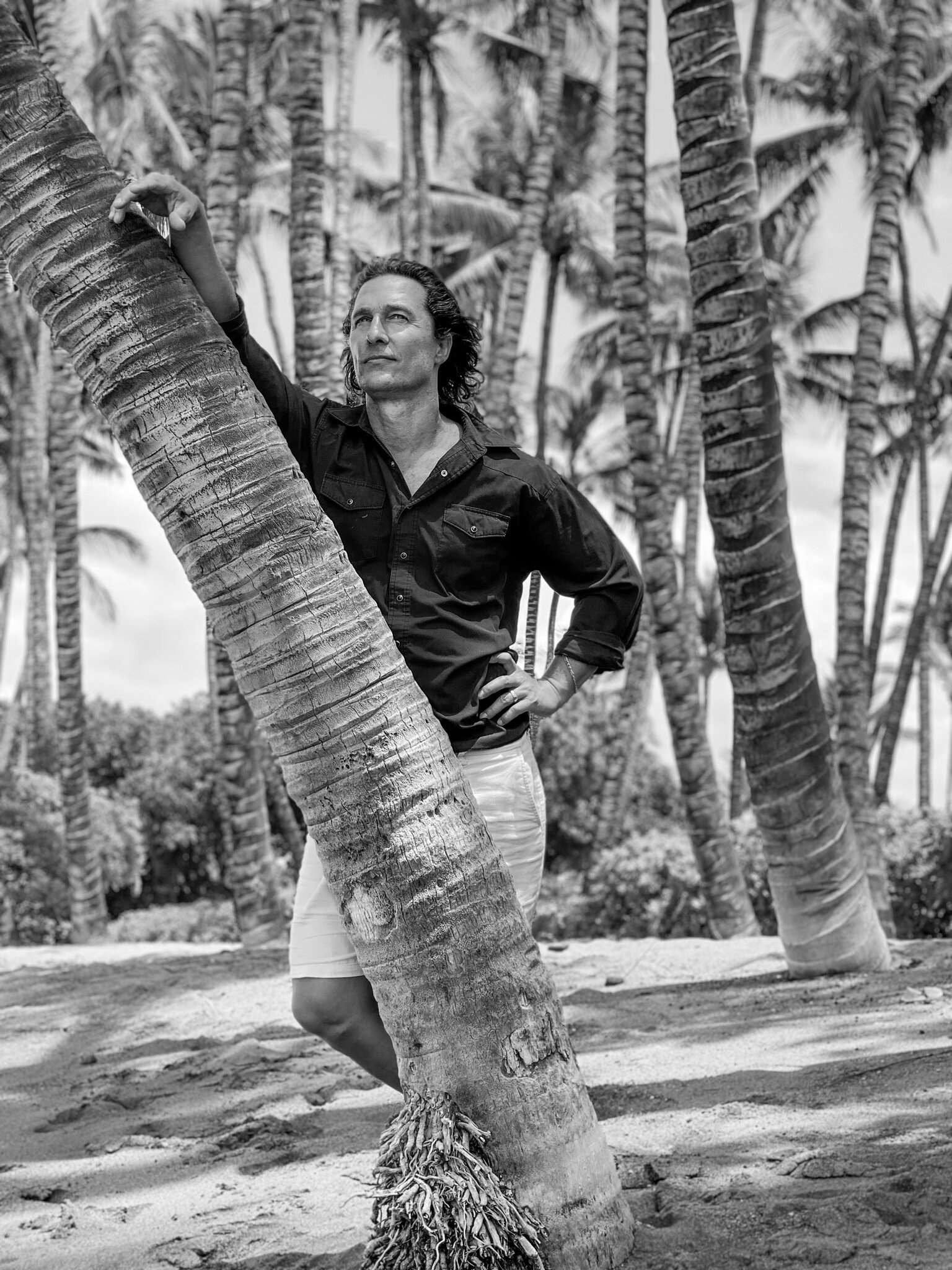
… when it comes to quoting Matthew McConaughey.
“I’ve found that a good plan is to first recognize the problem, then stabilize the situation, organize the response, then respond.”
“Knowin’ the truth, seein’ the truth and tellin’ the truth are all different experiences.”
(Quoted by Mimi Swartz, “Could Matthew McConaughey Be All Right, All Right, All Right for Texas?”, NYTimes, 5-9-21)
(c) 2021 JMN
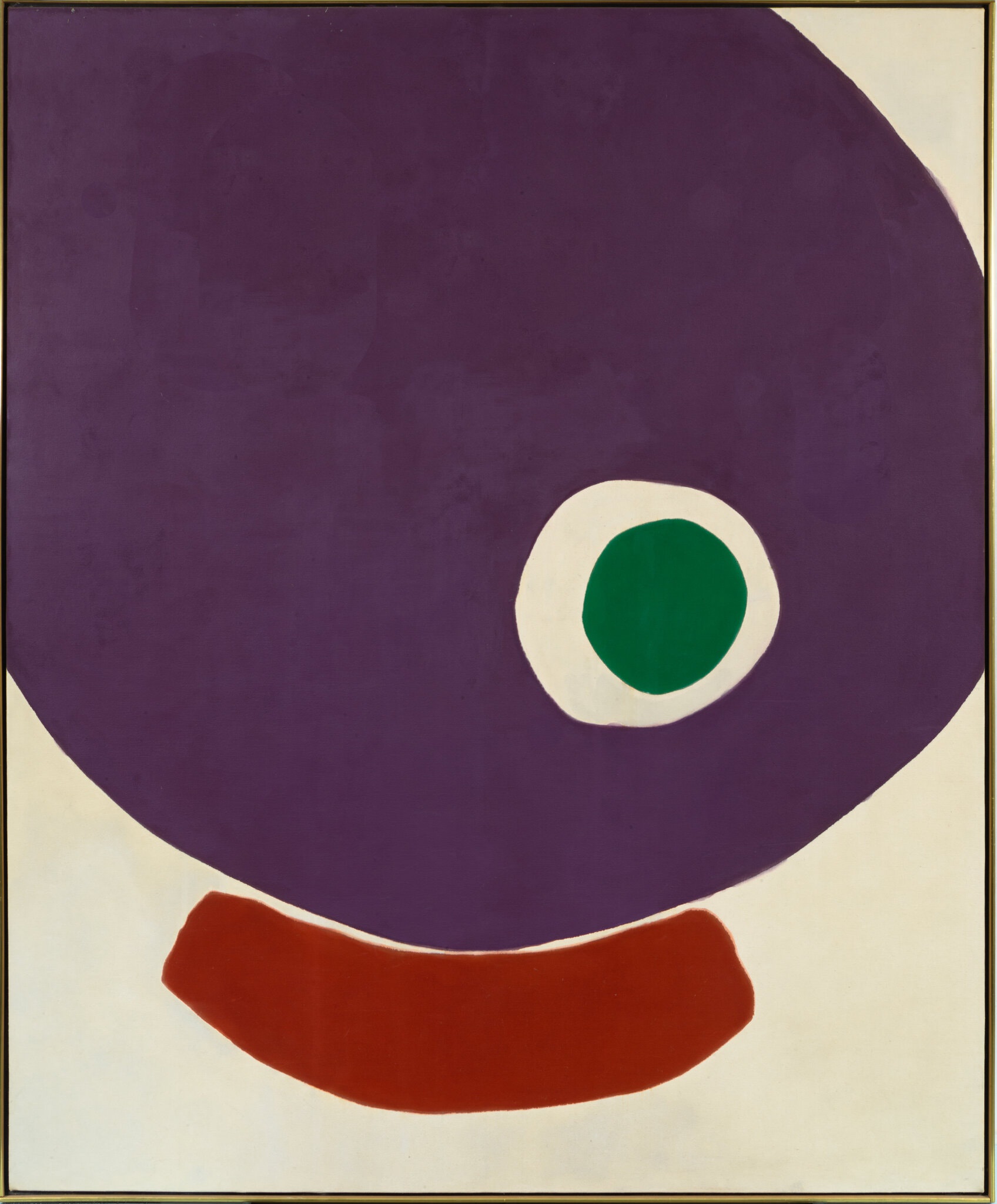
Like a pig rooting for truffles I harvest luscious phrases from Roberta Smith’s art critiques.
After “he jumped on the Color Field painting bandwagon,” Jules Olitski (1922 – 2007) created works that “mess with space and scale in a visceral, almost sculptural way.”
His paintings have “wall power” and “come at us with cartoonish verve.”
They “tacitly ignore the medium’s physical limits, implying that the image extends far beyond the canvas….”

Olitski’s shapes “give us formalism at its most ferocious and most fun.” A critic who compares a shape to a “teething ring” is no slouch at fun. And it takes caliber to call a background “very pushy.”
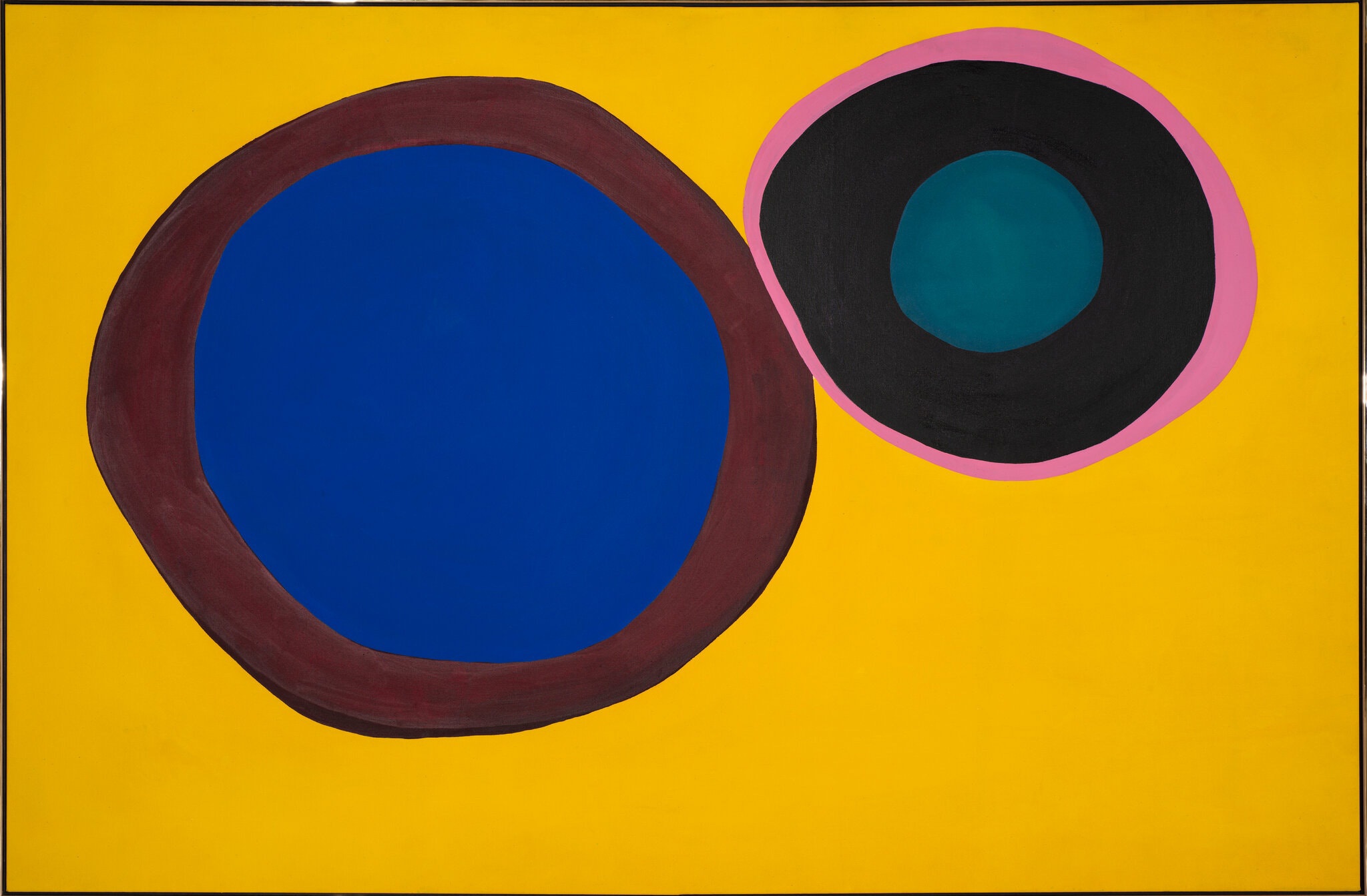
Could the fact that “[Olitski’s] paintings have sometimes been called feminine” explain their appeal to my womanish nature? Not wholly; the man in me is on board with them too.
(Roberta Smith, “The Great Beginning of Jules Olitski,” NYTimes, 1-28-21)
(c) 2021 JMN
 EthicalDative
To China and Back
In 1922, Lin Shu translated the first part of “Don Quixote” into classical Chinese. It was published as “The Story of the Enchanted Knight.”
Lin Shu knew no Spanish, nor any other western language. A friend who had read two or three English translations of Cervantes’s novel helped Lin make his version.
In that version, Don Quixote is more learned than crazy. Sancho Panza is his disciple. Dulcinea, the knight’s fair maiden, receives the epithet “Jade Lady.” All reference to God is excised. Rocinante is promoted from nag to “fast horse.”
Fast forward to today.
Alicia Relinque, professor of classical Chinese literature at the University of Granada, has translated Lin Shu’s Chinese version into Spanish for publication in China as a dual edition.
(Sam Jones, “Chinese Don Quixote is translated into Spanish after 100 years,” theguardian.com, 4-22-21)
I dream of translating Relinque’s Spanish version of Lin Shu’s Chinese version of several English versions of Cervante’s version into a Texas English version, furnishing yet a newer link in the long and ancient chain.
(c) 2021 JMN — EthicalDative. All rights reserved