
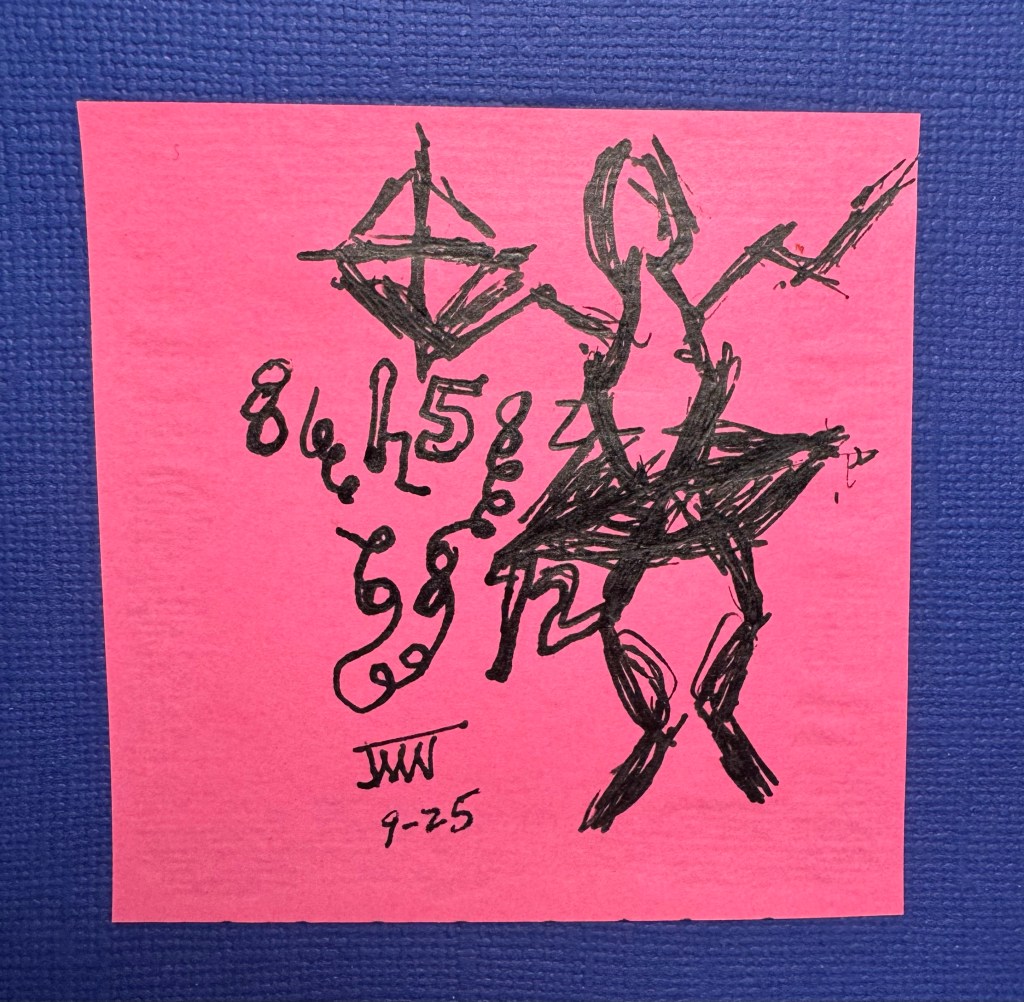
The New York Times recorded interview with Earl Sweatshirt was a freewheeling romp by a voluble cohort of cognoscenti. High spirits prevailed. The three-way session was suffused with knowing guffaws, spicy vernacular and poignant insider allusion. For the hip-hop-curious outsider listening in, it felt like sniffing someone else’s delicious picnic and longing for a taste of the goodies.
I’ve often meditated on what role the lyrics play in pop music, fretting over my inability to understand the words of many songs. I’m talking about the vocalizations of well nigh every front man or woman of every rock group I’ve ever listened to — I don’t mean only Elton John and Robert Plant. (Paul Simon is an exception.)
I settled resignedly into the notion that the singers’ voices were simply another instrument in the combo; that what they uttered were musical noises, as notes are noises, and unencumbered with conventional denotative freight; they were not units of spoken communication at all. If the singers weren’t bothered for their noises to reach me as words, I wasn’t bothered to decode those noises other than tonally and acoustically. It was all about the melody, the moves, the beat, the “wall of sound,” baby.
In his interview, Earl dropped a remark that has turned my modus vivendi with pop garble on its head:
I definitely want to always be expanding my linguistic capabilities. If you’re in 2025 complaining about mumble rap — probably racist. If you haven’t processed that different people talk different ways, like, why are you not trying to aspire to learn new things? Like Boomhauer, his homies know what he’s talking about.
Yikes. Message received and taken under advisement. Processing like crazy here.
I’d never heard the term “mumble rap” before, but I ask myself, “Have I been bitching unfairly about ‘mumble rock’ all the while?” Maybe I need to cultivate better aural literacy in genres that eschew punctilious enunciation, in like manner as I’ve done in studying the different ways foreigners use their tongues, attuning my ear to novel sounds, unaccustomed rhythms, runaway velocities. Putting in extra effort, damn it. I’m up for it. Never stop aspiring to learn new things, I say. (Also, I need to reflect on how the author of a book on hip-hop lyrics hangs out on genius.com curating the written signature of an oral genre.)
Rap, if not pop, I surmise, wants to be experienced as language on top of music. In casual contact with the genre, I’ve encountered references to a performer’s “flow” — the stream of speech. Pains are taken to create rhyme. These two characteristics alone suggest that its lyrics be treated as disclosure and narrative rather than highly cadenced, quasi-melodic, sonic gesture. Chant comes to mind, an intriguing and time-honored analog.
(c) 2025 JMN — EthicalDative. All rights reserved




 EthicalDative
A Song Is Worth a Thousand Explanations? Depends on the Singer.
I reproach myself by saying it’s a ludicrous form of callousness to feel personally aggrieved when famous people of the era I live in and whom I admire kill themselves. I mean feeling upset to the extent that I find myself unable (unwilling?) to view or read any work by or about such persons after their death. I didn’t know them personally, they weren’t loved ones, significant others, or the like. They didn’t sin against any God of mine. But I’m pissed that they coldheartedly took themselves out, that they were the architects of their own loss. And mine! Two instances are Robin Williams and Anthony Bourdain.
Cat Stevens didn’t kill himself, but he disappeared from music into Yusuf Islam. Certain of his songs had been high points in my development. They had melodic, rhythmic, lyrical staying power. Epic simplicity, like thunder. His retreat from that art stung me.
Books aren’t songs, but they can be a good vehicle for explaining things. Islam’s memoir, Cat on the Road to Findout,” is out in October. He published another book in 2014, Why I Still Carry a Guitar, described as “his direct explanation to the Muslim community”:
“There were some threats coming from the jurisprudence sections of the Muslim community — ‘It’s dangerous stuff to be out there, boasting of your talents and showing yourself off,’” he said, sighing. “But my art was something much deeper than that.”
I will read his memoir in due time because he’s not dead. Because I want to know more about his spiritual life. Because he’s alive. And he’s singing.
(Grayson Haver Currin, “Yusuf Islam Wants to Explain Himself,” New York Times, 9-15-25)
(c) 2025 JMN — EthicalDative. All rights reserved