
Dirge Without Music
by Edna St. Vincent Millay
Text at http://www.poetryfoundation.org
Spanish paraphrase by JMN
Endecha Sin Música
I am not resigned to the shutting away of loving hearts in the hard ground.
No me resigno a que se recluyan corazones tiernos en el suelo duro.
So it is, and so it will be, for so it has been, time out of mind:
Así es, y así será, porque así ha sido desde siempre:
Into the darkness they go, the wise and the lovely. Crowned
Entrando en la oscuridad van, los sabios y los bellos. Coronados
With lilies and with laurel they go; but I am not resigned.
De lirios y de laurel van ellos; pero yo no me resigno.
Lovers and thinkers, into the earth with you.
Amantes y pensadores, entregaos a la tierra.
Be one with the dull, the indiscriminate dust.
Uníos con el torpe polvo indiscriminado.
A fragment of what you felt, of what you knew,
Una pizca de lo que sentisteis, lo que supisteis,
A formula, a phrase remains,—but the best is lost.
Una fórmula, una frase se queda, — pero lo mejor está perdido.
The answers quick and keen, the honest look, the laughter, the love,—
Las réplicas prontas y agudas, la mirada honesta, la risa, el amor, —
They are gone. They are gone to feed the roses. Elegant and curled
Desvanecidos. Se fueron ya para alimentar las rosas. Elegante y rizada
Is the blossom. Fragrant is the blossom. I know. But I do not approve.
Es la flor. La flor es perfumada. Ya lo sé. Pero no me conformo con ello.
More precious was the light in your eyes than all the roses in the world.
Me era más preciosa la luz de tus ojos que todas las rosas del mundo.
Down, down, down into the darkness of the grave
Abajo, abajo, entrando en la noche de la tumba
Gently they go, the beautiful, the tender, the kind;
Suavemente van, los vistosos, los tiernos, los amables;
Quietly they go, the intelligent, the witty, the brave.
Silenciosos van, los inteligentes, los ingeniosos, los valientes.
I know. But I do not approve. And I am not resigned.
Ya lo sé. Pero no me conformo con ello. Y no estoy resignado.
(c) 2021 JMN. All rights reserved







Be Paint
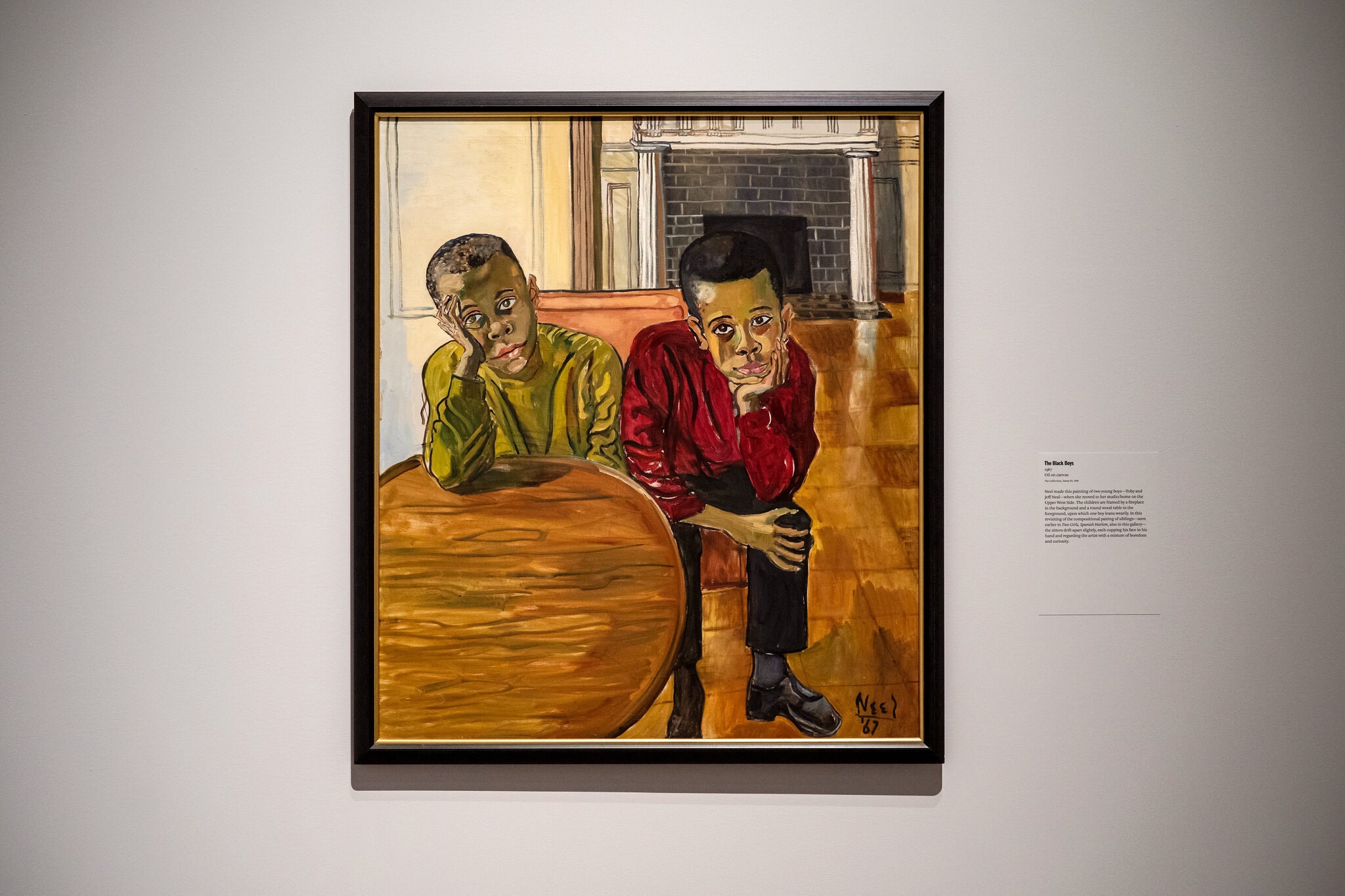
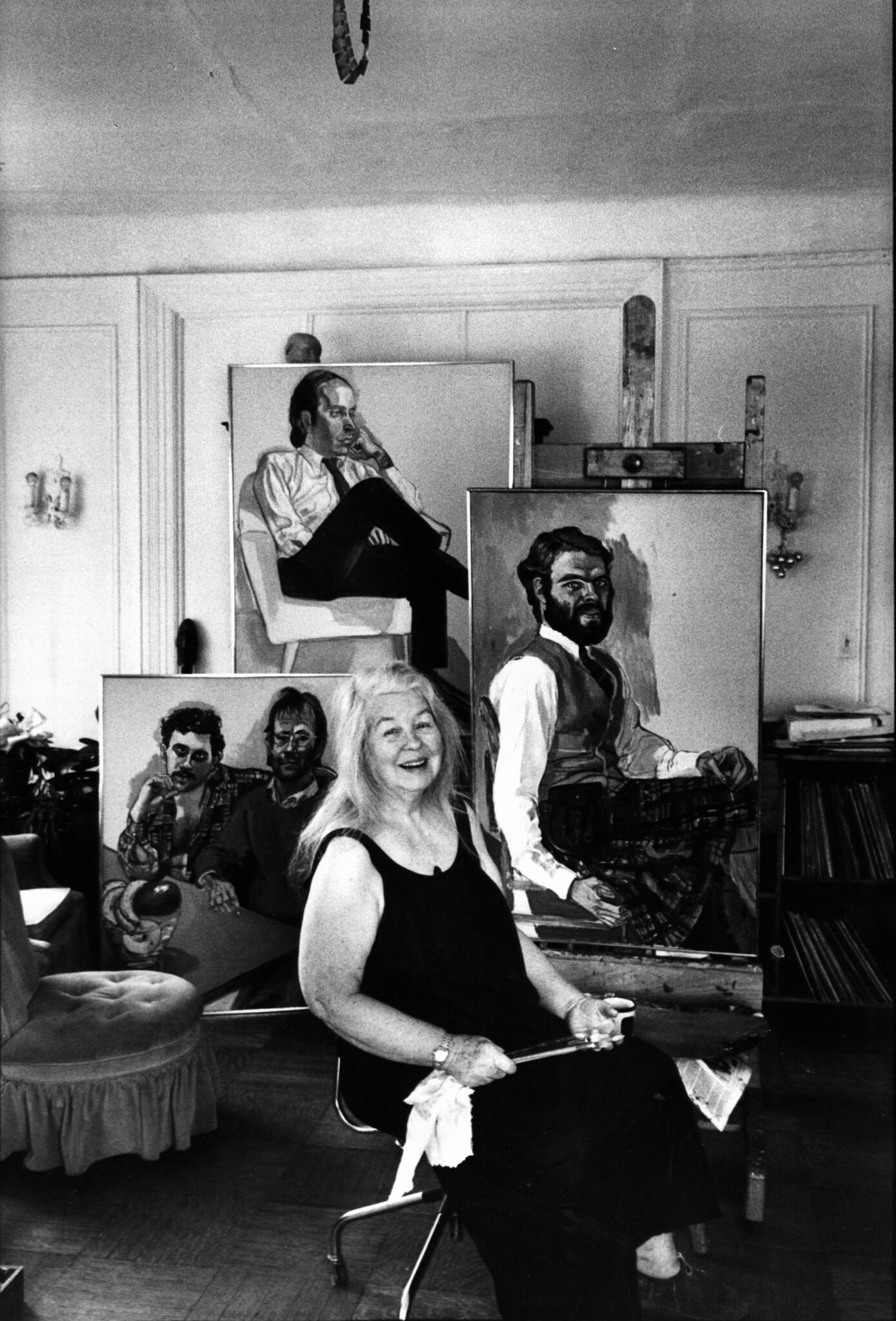
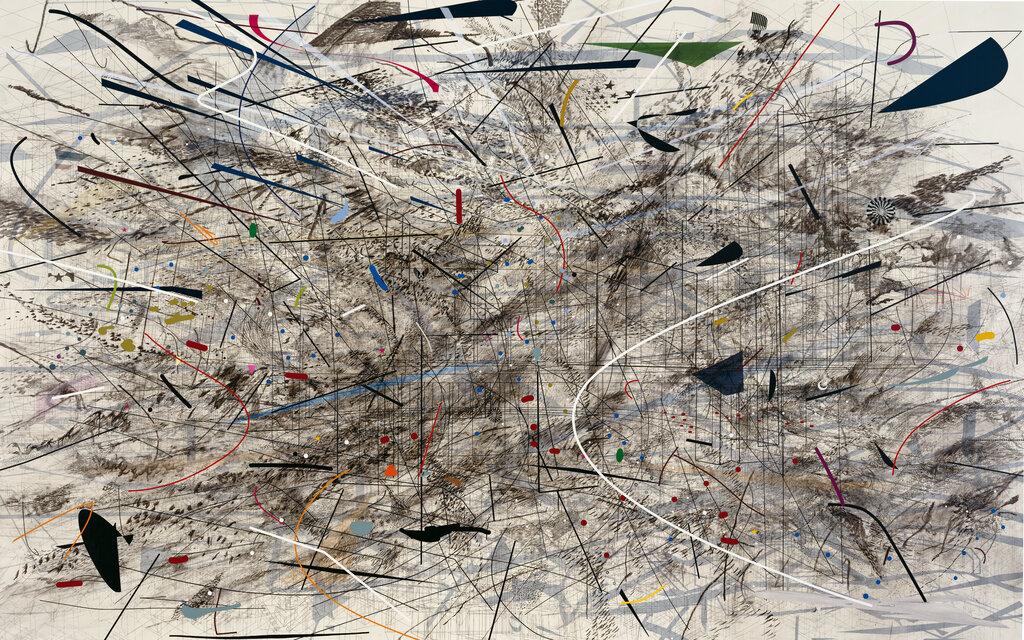
… [Clement] Greenberg’s organizing idea was surprisingly simple: modern painting, having ceased to be illustrative, ought to be decorative. Once all the old jobs of painting—portraying the bank president, showing off the manor house, imagining the big battle—had been turned over to photography and the movies, what was left to painting was what painting still did well, and that was to be paint.
(Adam Gopnik, “Helen Frankenthaler and the Messy Art of Life,” http://www.newyorker.com, 4-12-21)
I’m as susceptible as the next person to sweeping statements that seem to capture the essence of a thing or a moment. I’m not versed nearly enough in art crit lit to slot pronouncements informedly into the historical flow of it. It’s likely that the trope of letting paint be paint is quaint now, set aside for something in the vein of performance art, or re-entry into a militant mode of depictivism, or who knows?
What snagged me in the quotation was the adjective “decorative” and the premise that certain “old jobs” of painting were considered to have been relinquished to other media. Interesting. Is that still held to be the case about painting?
By way of postscript: It perplexes me that an article such as this in The New Yorker isn’t illustrated by a single one of Frankenthaler’s paintings. Also, when I returned to the link I had saved initially, the article was re-titled “Fluid Dynamics.”
(c) 2021 JMN