
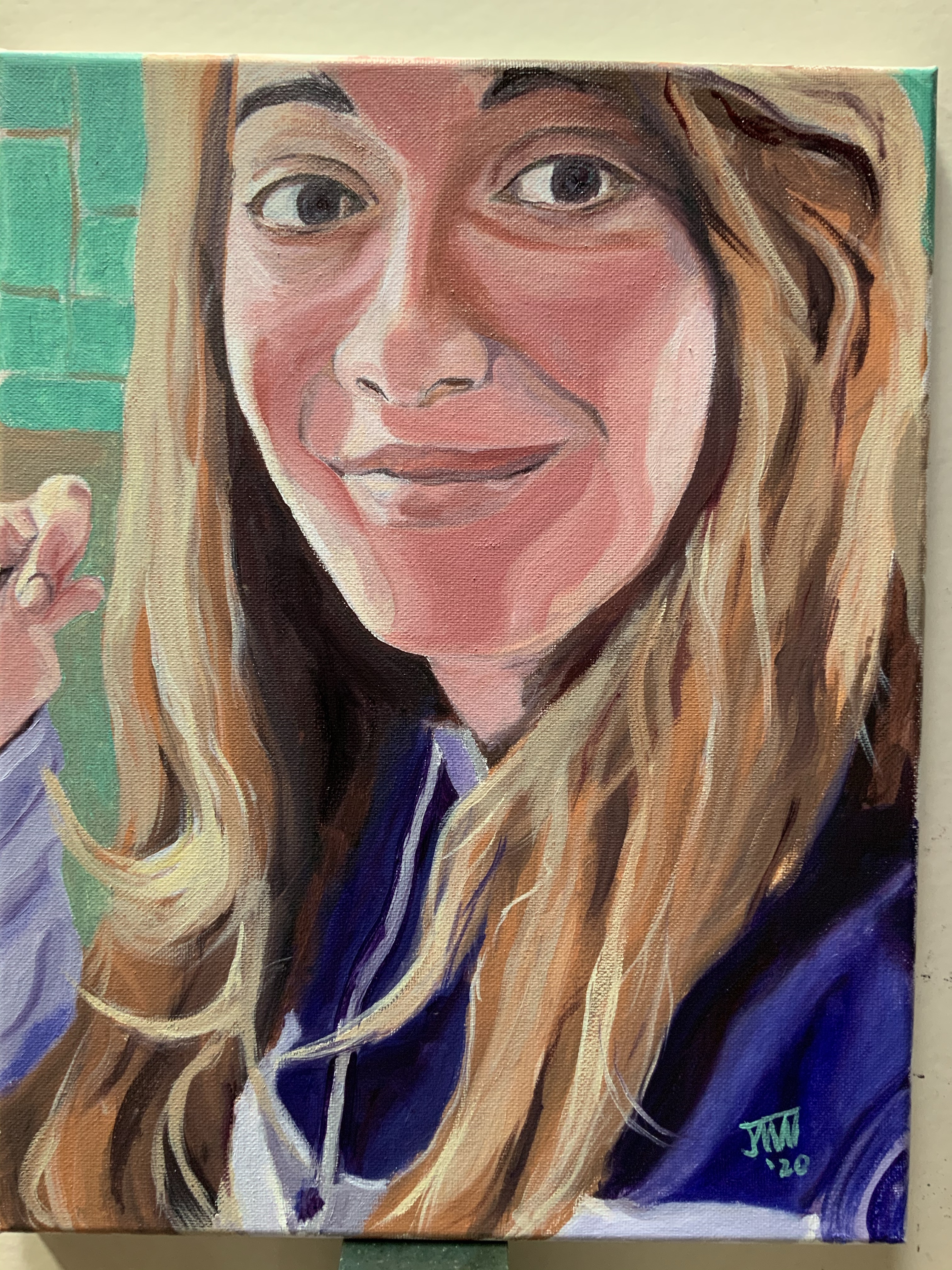
[XCII]
Amor mío, si muero y tú no mueres,
My love, if I die and you don’t die,
no demos al dolor más territorio:
let us not give grief more territory:
amor mío, si mueres y no muero,
my love, if you die and I don’t die,
no hay extensión como la que vivimos.
there’s no extension like the one we live.
Polvo en el trigo, arena en las arenas
Dust on wheat, sand on the sands,
el tiempo, el agua errante, el viento vago
time, wandering water, uncertain wind
nos llevó como grano navegante.
carried us like seafaring grain.
Esta pradera en que nos encontramos,
This meadow in which we find ourselves,
¡oh pequeño infinito! devolvemos.
— O little infinitum! — we give back.
Pero este amor, amor, no ha terminado,
But this love, love, has not finished,
y así como no tuvo nacimiento
and so just as it had no birth
no tiene muerte, es como un largo río,
it has no death, it’s like a long river,
sólo cambia de tierra y de labios.
it only changes land and changes lips.
Veinte poemas de amor y una canción desesperada. Cien sonetos de amor
1924, Pablo Neruda y Herederos de Pablo Neruda
1994, Random House Mondadori
Cuarta edición en U.S.A: febrero 2004
[English translation by JMN.]
(c) 2020 JMN




 EthicalDative
‘Certitudes’
This is the Cubist revolution: Here, for the first time in Western art since the Renaissance, the world as we see it no longer has primacy. The picture is no longer an act of perception. It’s an act of imagination, with a life and a logic of its own.
Yet Cubism got so analytical that it nearly lost all legibility. To avoid becoming totally abstract, it needed what Braque called certitudes: recognizable hooks from modern life.
(Jason Farrago, “An Art Revolution Made With Scissors and Glue,” NYTimes, 1-29-21)
Farrago’s latest entry in the NYTimes’s ingenious “Close Read” series focuses on Juan Gris’s “Still Life: The Table” (1914).
My first response to Farrago’s elegant art talk is almost always “Well said!” His language sweeps me up.
Then, often as not, there follows a moment of “Wait! But…?” It’s when the faculty that tests pretty words, mindful of my weakness for them, kicks in, and plainer words come to mind.
If the world as we see it no longer has primacy, then depiction presumably gives way to something less — shall we say “realistic,” to use a layman’s term?
Saying the picture is an act of imagination and not perception seems to press the point rather hard. I think perception remains. Could we not say, rather, that the Cubist picture is an imaginative rendering of what’s perceived?
In observing Gris’s still life, Farrago is indeed at pains to point at, and name, the many perceived facts — bottles, newspapers, book, cigarettes — that the painter cleverly incorporated into his collage. They are Braque’s “certitudes.”
It’s a wonderful term, “certitudes,” perhaps my favorite takeaway from the essay. They are the “recognizable hooks from modern life” that helped Cubism stay “legible.”
(c) 2021 JMN