
In my language, the one I recall now only by closing my eyes, the word for love is Yeu.
And the word for weakness is Yếu.
How you say what you mean changes what you say.
Some call this prayer. I call it watch your mouth.
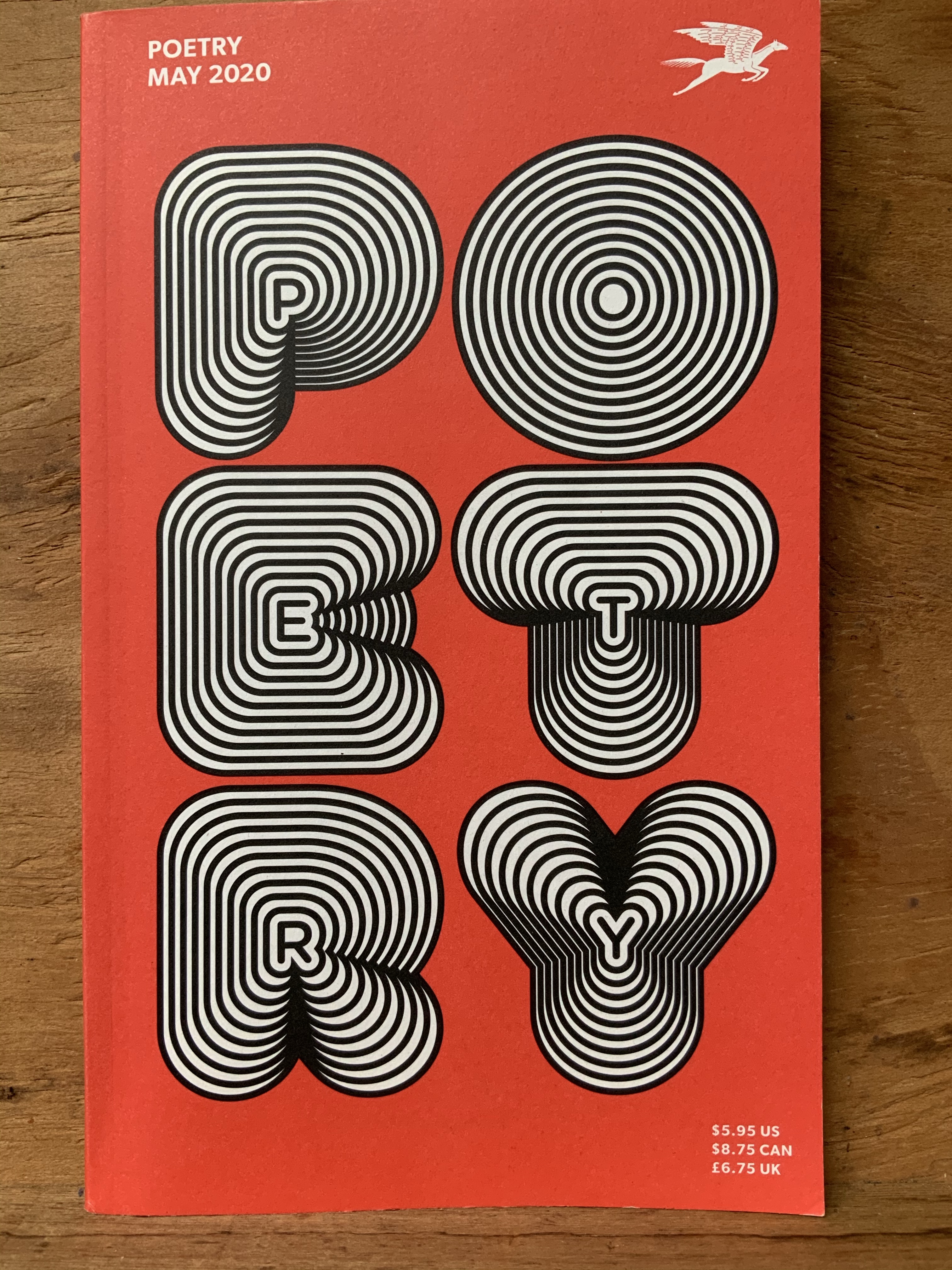
(Ocean Vuong, “Not Even This,” Poetry, April 2020)
God knows. God being, and being God, speaks something and the thing is (or was). It’s begot — by God!
God said light, and Alexander Graham Bell’s mother conceived.
Art is similar. Art says something in its medium — the chosen one — and something’s there.
Whether it’s Velasquez populating a room with his paints, or Cecil Taylor illustrating Eternity with seventeen minutes of his piano, Art is God-light.
Art and God both are light-like, are they not? Faith calls it He. I call it wash your mouth.
(c) 2020 JMN


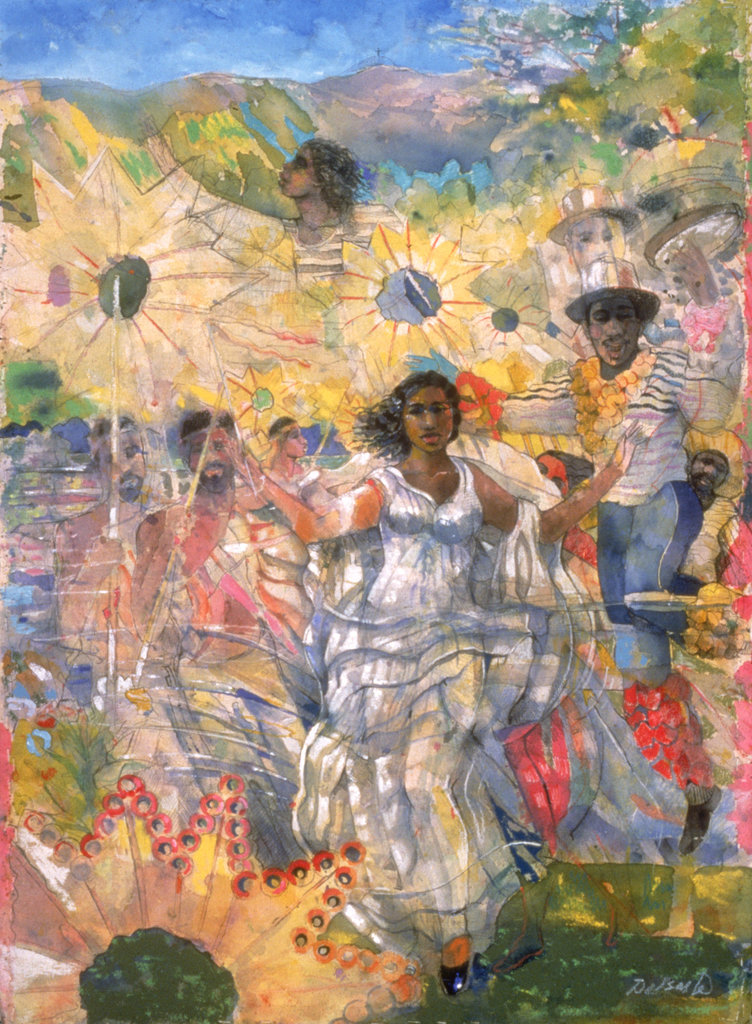
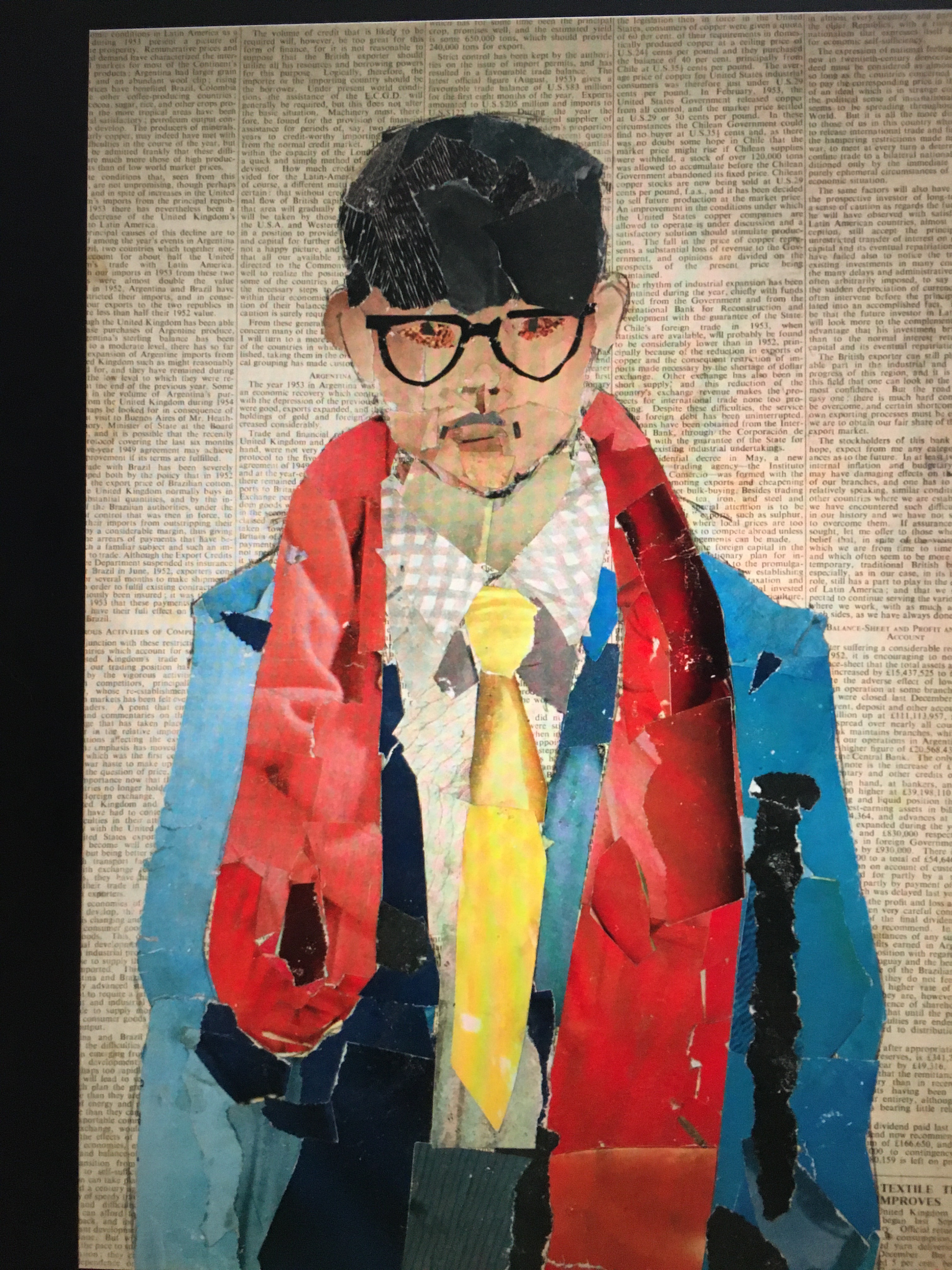
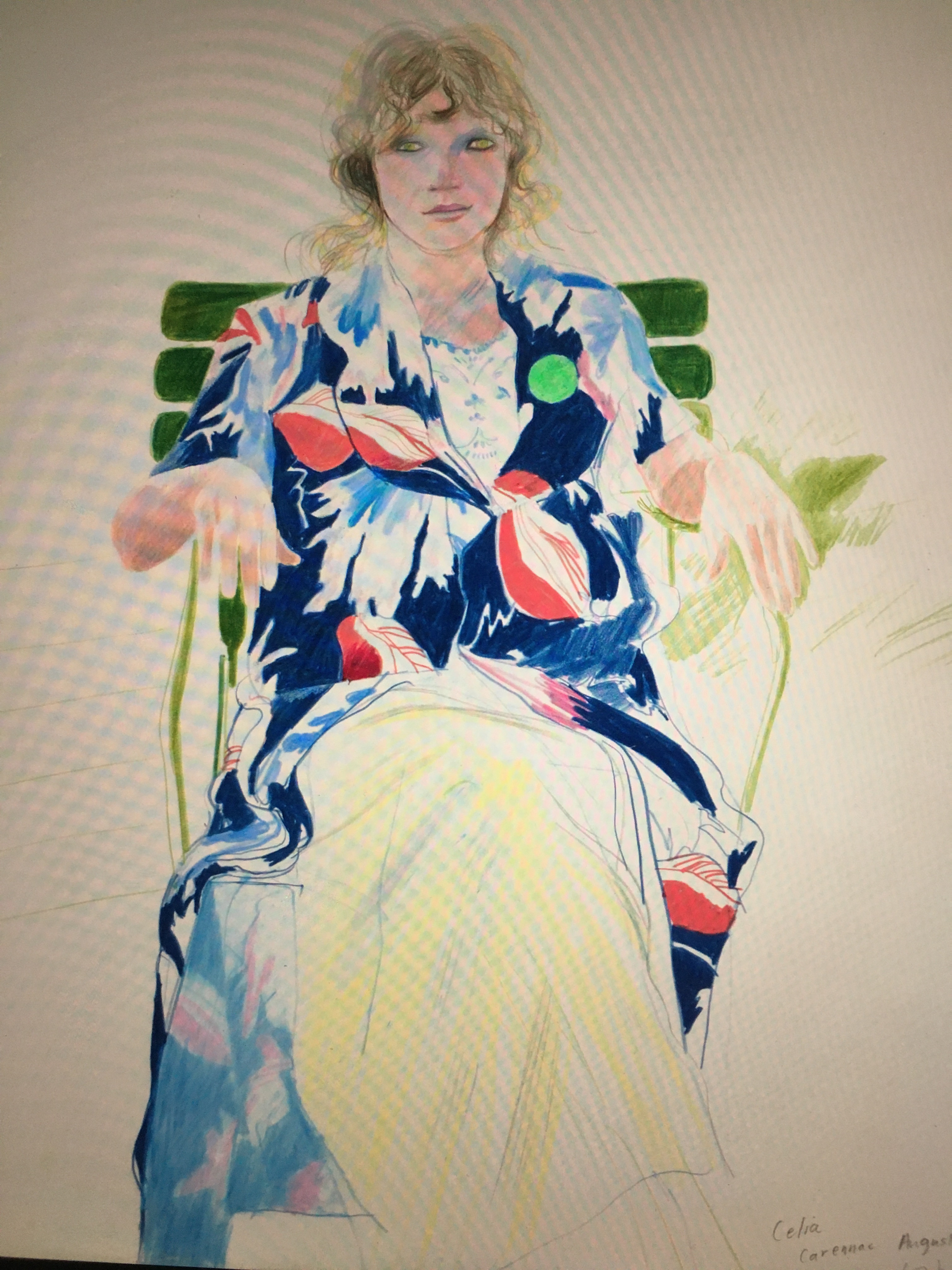



Is Art Complex?
“Great art is, by definition, complex…”
(David Zwirner, “Art Is How We Justify Our Existence,” 5-22-20)
Says who?* A thing, by definition, doesn’t define itself; its definition is a human construct — like art itself.
Religions are complex. Christianity, for example, embosoms a Trinity, an angelology with a ninefold celestial hierarchy, and persons called vaticanologists.
Is “Las Meninas” complex, or is it virtuosic — an exemplar of radical skill in the service of simplicity? Great art has a directness that can feel so massive it forces us to shift into a lower gear to pull it.
Zwirner bounces back insightfully at the end of his essay. He mentions how, during the lockdown, he has contacted many artists in their studios.
… I couldn’t shake the feeling that I was interrupting them. They had more important things to do than talk to me. They were making art.
*David Zwirner is an art dealer with galleries in New York, London, Paris, and Hong Kong.
(c) 2020 JMN