
[LXXXII]
Amor mío, al cerrar esta puerta nocturna
My love, on closing this nocturnal door
te pido, amor, un viaje por oscuro recinto:
I ask, love, for a voyage through dark environs:
cierra tus sueños, entra con tu cielo en mis ojos,
shut your dreams, come with your sky into my eyes,
extiéndete en mi sangre como en un ancho río.
stretch inside my blood like a wide river.
Adiós, adiós, claridad que fue cayendo
Goodbye, goodbye, clear light gone falling
en el saco de cada día del pasado,
onto every last day’s sack of the past,
adiós a cada rayo de reloj o naranja,
farewell to every ray of clock or orange,
salud oh sombra, intermitente compañera.
greetings, O shadow, sometime companion.
En esta nave, o agua, o muerte, o nueva vida,
On this vessel, either water, death, or life anew,
una vez más unidos, dormidos, resurrectos,
once more united, sleeping, resurrected,
somos el matrimonio de la noche en la sangre.
we are the marriage of the night in blood.
No sé quién vive o muere, quién reposa o despierta,
I don’t know which lives or dies, reposes or wakes,
pero es tu corazón el que reparte
but it’s your heart that distributes
en mi pecho los dones de la aurora.
on my chest the donations of the dawn.
Veinte poemas de amor y una canción desesperada. Cien sonetos de amor
1924, Pablo Neruda y Herederos de Pablo Neruda
1994, Random House Mondadori
Cuarta edición en U.S.A: febrero 2004
[English translation by JMN.]
(c) 2021 JMN. All rights reserved
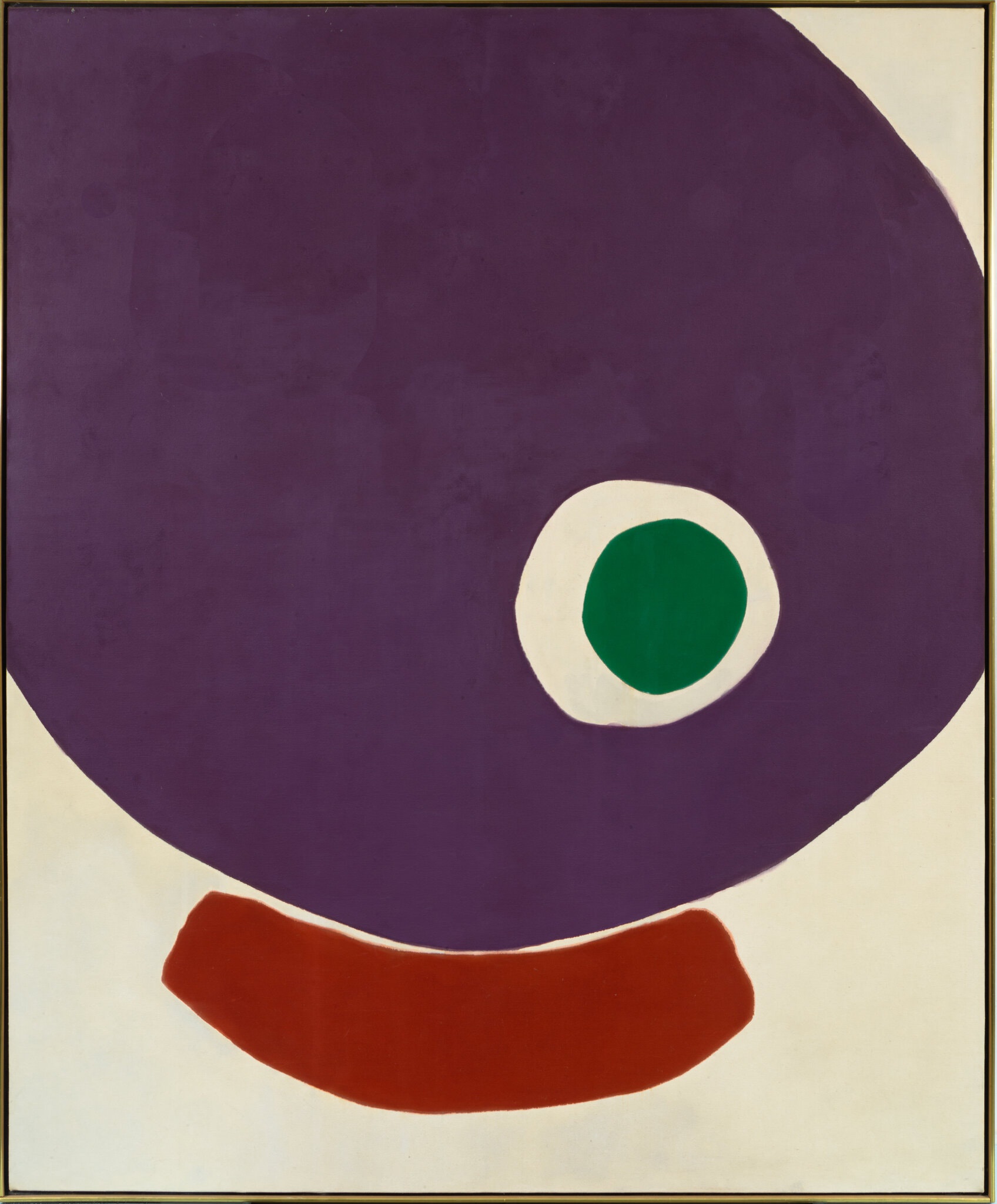

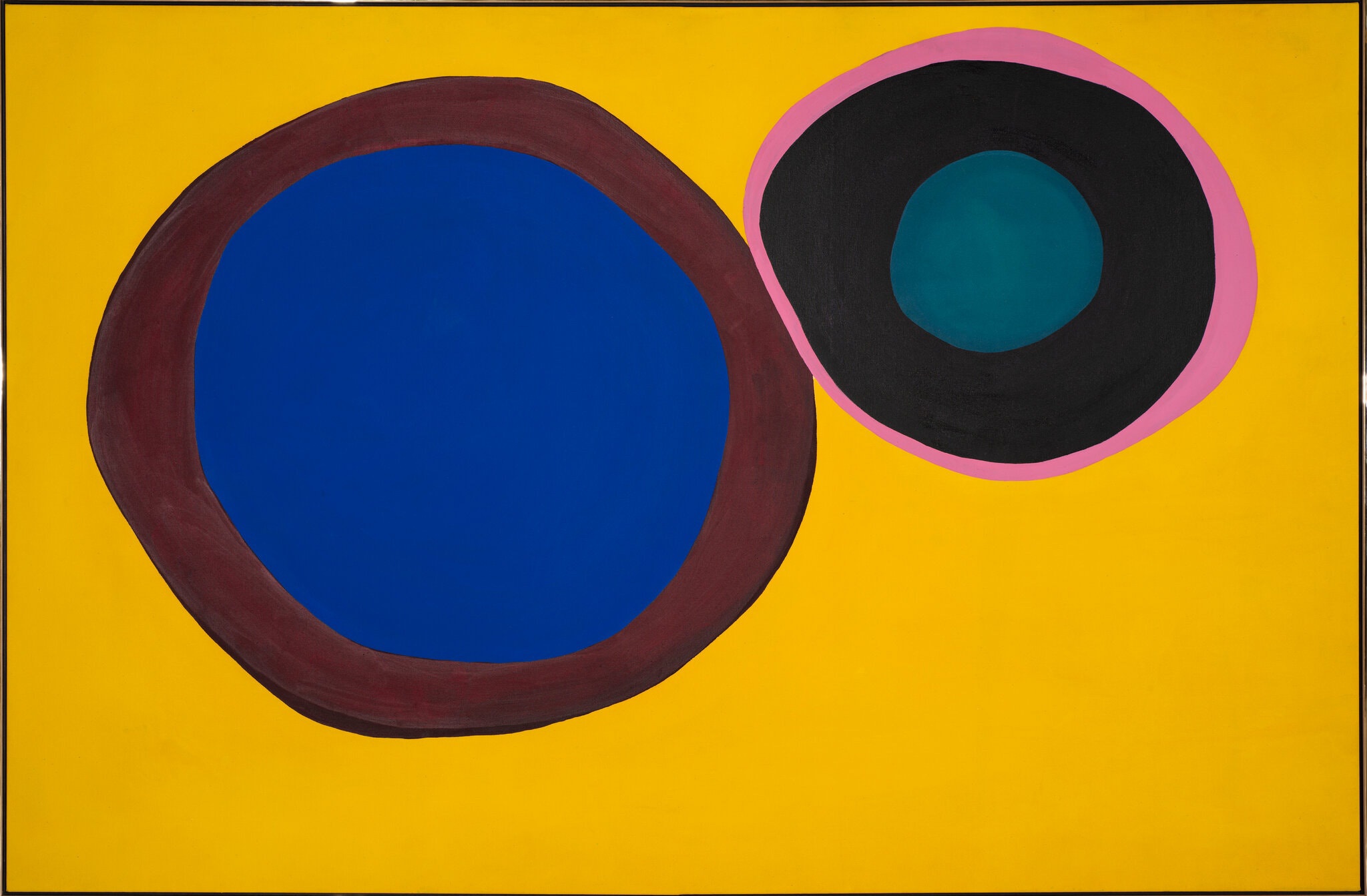



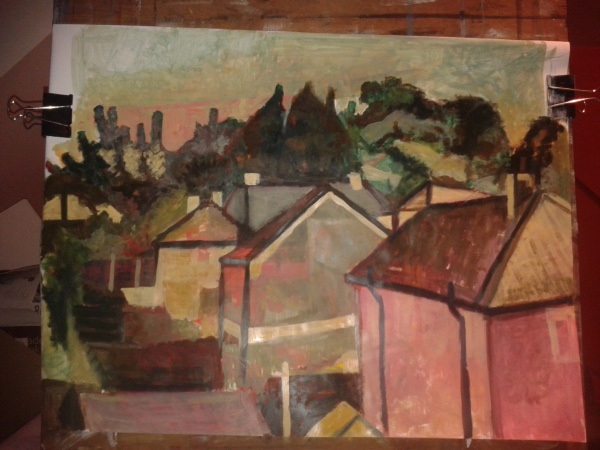


‘A Beautiful, Pathetic Object’
It’s a pleasure to meet William T. Wiley, who moved and shook in a West Coast “funk art” scene while steering clear of wealth and fame. It’s no surprise that agreement on what exactly defined the funk art movement was nugatory. For example: “It wasn’t, for starters, redolent of New York in the heyday of Minimalism.”
Wiley’s Weltanschauung emits a whiff of California cool that’s quaintly boomerish — like praying for peace. This article evokes the vibe in alluding to “a now-vanished scene informed by Mr. Wiley’s communitarian spirit.” It must be said, an artist whose idea of real life was “to go salmon fishing or deal with tree limbs” has found purpose.
This tribute leaves me with a sole sticking point:
I’m far from understanding why devotion to Zen is perceived to “undercut” and oppose affection for cowboy mythology.
(Deborah Solomon, “William T. Wiley, ‘Funk Artist’ Who Spurned Convention, Dies at 83,” NYTimes, 5-5-21 )
(c) 2021 JMN