
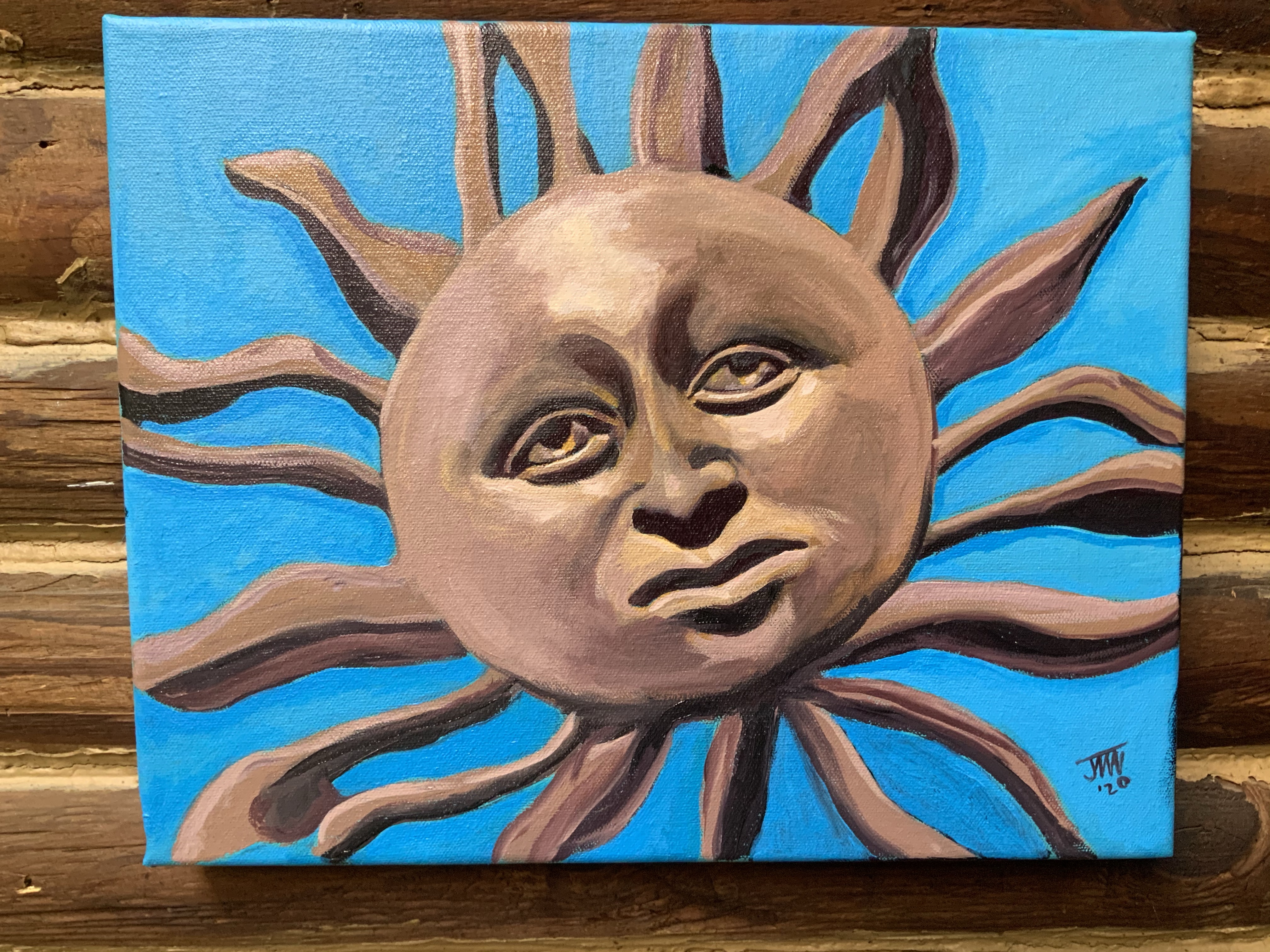
“In some ways what I really did was mind the store,” he told The Guardian in 2006. “When I arrived in San Francisco in 1951 I was wearing a beret. If anything I was the last of the bohemians rather than the first of the Beats.”
Lawrence Ferlinghetti died on February 22, 2021, age 101. Certain details of his fruitful life seize me:
— Fetched off to Strasbourg, France in early childhood, where he learned French, which he spoke before English.
— Degree in journalism from the University of North Carolina at Chapel Hill (my alma mater), attracted there by his taste for Thomas Wolfe.
— Master’s thesis on Ruskin and Turner at Columbia University, which fostered a lifelong love of painting. Then a doctorate in comparative literature from the Sorbonne.

Ferlinghetti called “Little Boy,” the species of memoir that he published In 2019, “an experimental novel” about “an imaginary me.”
(Jesse McKinley, “Lawrence Ferlinghetti, Poet Who Nurtured the Beats, Dies at 101,” NYTimes, 2-23-21)
He minded the store!
(c) 2021 JMN






 EthicalDative
A Whiff of Wittgenstein
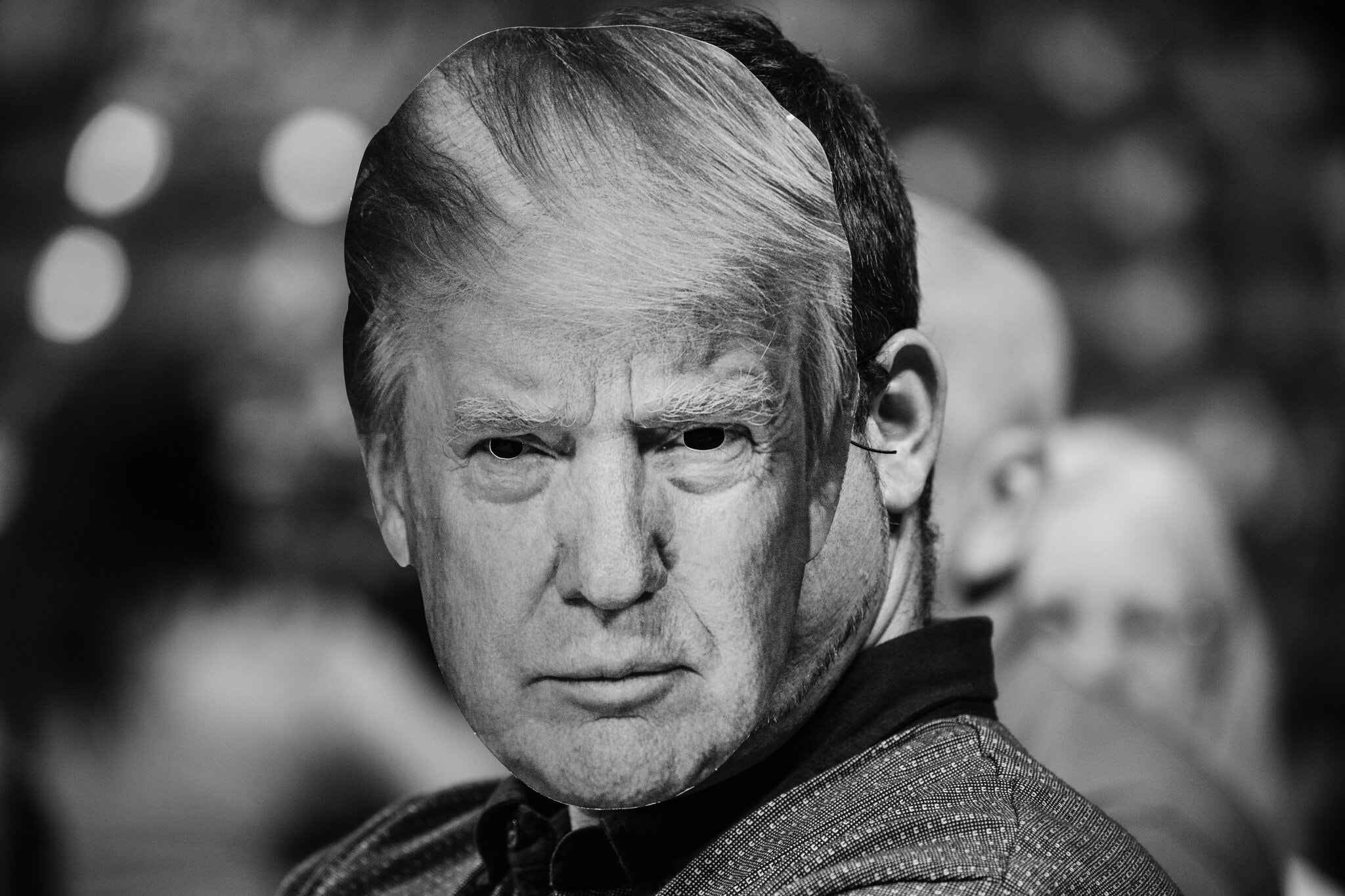
“For a healthy politics to flourish it needs reference points outside itself — reference points of truth and a conception of the common good… When everything becomes political, that is the end of politics.” Making everything politics “totally distorts your ability to read reality.”
(Moshe Halbertal, Hebrew University religious philosopher)
(Thomas L. Friedman, “Can You Believe This Is Happening in America?” NYTimes, 2-23-21)
At first blush it seems like a paradox to say that when everything is politics, politics disappears.
The comment may provide a clue, however, to understanding a point of Ludwig Wittgenstein’s thought (which I am struggling to grasp):
The world is determined by the facts, and by these being all the facts (TLP 1.11)
For the totality of facts determines both what is the case, and also all that is not the case. (TLP 1.12)
In his gnomic fashion Wittgenstein seems to imply that in order to perceive what something is, we must also perceive what it is not.
Deprived of their “is-not-ness,” things lose their definition; by flooding our logical and linguistic space, they cease to be.
We then lose our way.
(c) 2021 JMN