

“It takes a lifetime to learn shakuhachi. The earlier you start, the longer it takes.”
(Japanese saying quoted by Zac Zinger on Adam Neely’s podcast. The shakuhachi is a bamboo flute.)
I learned Spanish because I had to. From puberty forward it kept calling and I spent thousands of hours at it. It was a dementedly persistent grappling for the mechanics and spirit of the language inflamed by lust to inhabit a different culture from mine.
When it came to teaching Spanish, however, I lacked the requisite charisma and phlogiston. The prescribed pedagogy said to avoid the stultification inflicted by conjugation and descriptive grammar. Apply instead dynamic improvisation, role playing, spontaneous invention of phrase-eliciting scenarios, fomentation of rich classroom interactions, targeted motivational cultural contextualization, and other strategies conducive to inciting a desire to acquire practical fluency within the confines of a compressed timeframe and mandated curriculum of core competencies exclusive of the foreign language elective.
A comparable evasiveness infiltrates guitar manuals and instructional videos; they, too, try to shorten the path. They dwell on finger patterns, eliding the complex business of grasping the musical structures and relationships behind those patterns.

In my own guitar peregrination I’ve doubled back to acquire more of the rules and grammar of music: Where are all the B-flats on the neck? Which notes of a chord is each finger playing wherever the chord is fretted? This sterner, more exacting cerebration applied to practice gets me further than tourist riffs and licks.
A chord properly diagrammed has a compressed power akin to that of a verb paradigm or math formula or elegant algorithm.
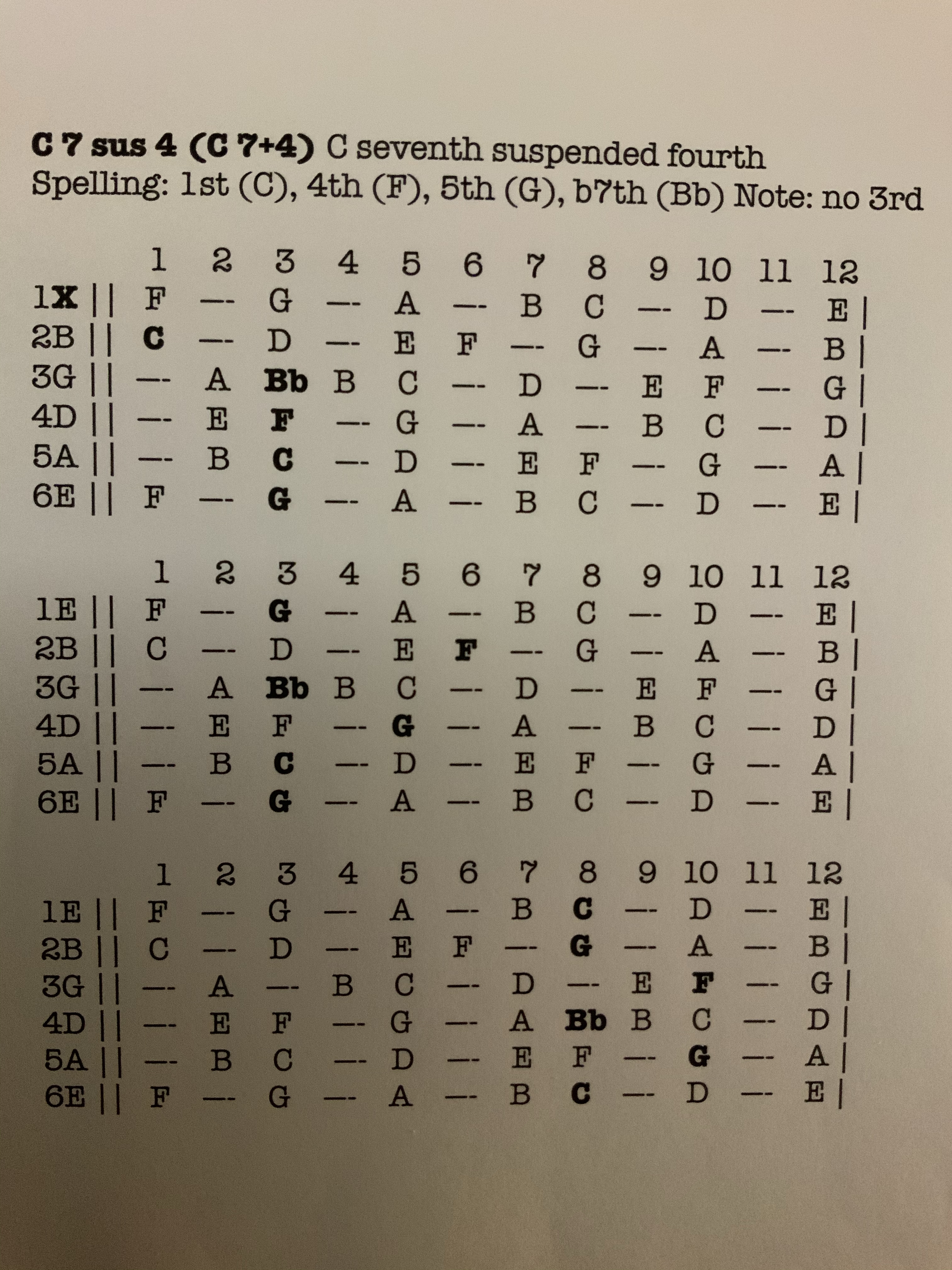
(c) 2020 JMN


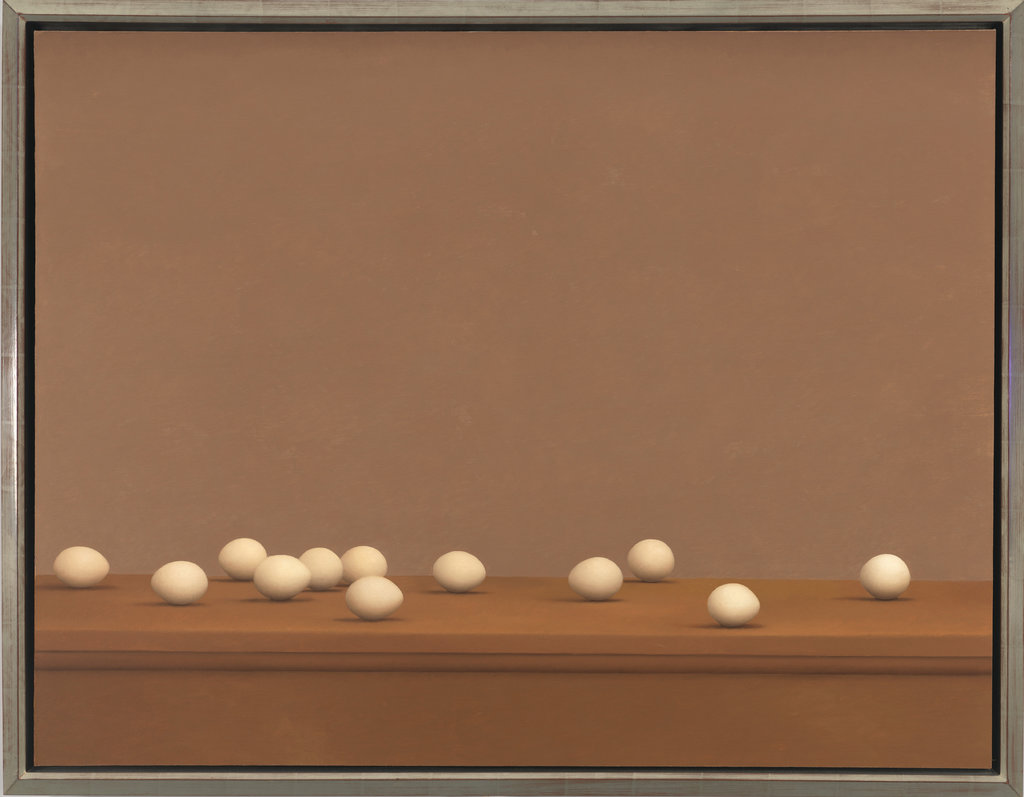




 EthicalDative
Missionary Phallacy
Shere Hite (1942-2020) published “The Hite Report” in 1976. It gathered candid feedback from women suggesting canonical sexual congress was not the be-all and end-all prescribed by male-centric orthodoxy. Two more best-selling studies followed in 1981 and 1987.
Hite’s work provoked a prolonged storm of blowback. Critics tagged her a man-hater. Social scientists faulted her conclusions as flawed and unreliable because her samples of women didn’t match census data. Critics referred to her as “Sheer Hype.” Playboy magazine called her book “The Hate Report.” Religious groups credited her with destroying traditional family values. She was stalked by paparazzi and received death threats.
Ultimately Hite found living in America untenable for continuing her work. In 1995, she became a German citizen and lived in Europe until her death this year. She published her last book, “The Hite Report on Hite: A Sexual and Political Autobiography,” in 2000.
The article referenced here cites her affecting description of discovering her sexuality “on her own”:
“Not hearing about it first through pornography or seeing naked bodies displayed for profit on every newsstand, but just alone in my room, in my own bed, finding my own sensual self.”
(Jazmine Hughes, “Shere Hite Explained How Women Orgasm, and Was Hated for It,” The New York Times Magazine, “Remembering some of the artists, innovators and thinkers we lost in the past year.” Hite’s obit was published in the NYTimes on 9-11-20)
(c) 2020 JMN